If you’ve ever stood at a grocery store checkout, handed over a reusable bag instead of a plastic one, and wondered what that soft, durable textile is made of—chances are you’re holding non woven bag fabric. As a non woven bag supplier, I get this question all the time: it’s not cotton, not nylon, not even the woven polyester you might know from athletic gear. It’s a material in its own class, engineered for function, sustainability, and everyday use, and it’s the backbone of the reusable bags we depend on for everything from farm runs to retail giveaways. Let’s break down what it is, how it’s made, and why it’s become the go-to choice for anyone looking to replace single-use plastics. Non Woven Bag
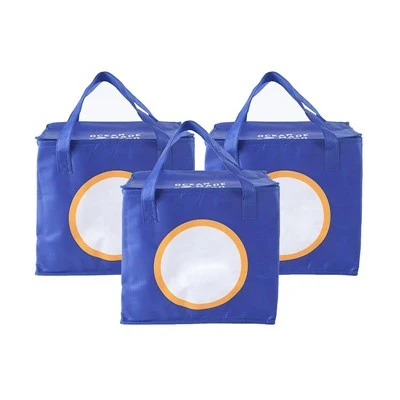
First, let’s start with the basics: non woven fabric, in simple terms, is a textile that’s bonded together with mechanical, chemical, heat, or solvent processes—but not woven. Unlike traditional fabrics, where threads are interlaced in a crisscross pattern on a loom, non woven bag fabric doesn’t use yarns at all. Instead, it’s made from a web of natural or synthetic fibers that are pressed, fused, or entangled to create a cohesive material. This lack of weaving is what makes it so cost-effective to produce, lightweight, and versatile—properties that are non-negotiable for bags that need to hold groceries, swag, or travel essentials without weighing people down.
Most non woven bag fabric is made from polypropylene (PP), a thermoplastic polymer that’s lightweight, food-safe, and resistant to moisture and mildew. Some manufacturers also use polyethylene (PE) or a blend of PP and recycled fibers to cut costs or boost sustainability, but polypropylene remains the most common because it balances strength, flexibility, and affordability. The fibers used can be short (staple) or long (filament), and their length and structure directly impact the fabric’s final performance. For example, staple-fiber non woven is softer and more pliable, making it ideal for tote bags that fold up easily in a purse, while filament-fiber non woven is stronger and more tear-resistant, better suited for heavy-duty shopping bags.
Now, how is non woven bag fabric made? The process is straightforward but precise, with three main production methods that define the fabric’s quality and use case. The first, and most widely used for reusable bags, is spunbond manufacturing. Here, melted polypropylene is extruded through tiny spinnerets to form long, continuous filaments. These filaments are laid down in a random web onto a moving conveyor belt, then bonded together with heat or pressure (a process called calendering) to create a strong, lightweight fabric. Spunbond non woven is known for its durability and low cost, which is why it’s the material most small businesses, event planners, and grocery stores choose for their branded or everyday reusable bags.
The second method is melt-blown, which produces a finer, more porous fabric. Melt-blown non woven is made by blowing high-velocity hot air onto extruded polymer filaments, which stretches them into ultra-fine fibers before laying them down. This creates a softer, more absorbent material that’s often used for disposable face masks, medical gowns, or filter media—but it’s also sometimes blended with spunbond non woven to add a softer touch to tote bags, though it’s less common for heavy use.
The third method is needle punching, a mechanical process where barbed needles entangle short staple fibers together to create a thick, felt-like material. Needle-punched non woven is extremely durable and tear-resistant, but it’s also thicker and more expensive than spunbond, so it’s mostly used for heavy-duty bags, construction covers, or agricultural products—not the standard reusable tote most people carry daily.
Once the fabric is produced, it’s converted into bags through cutting, sewing, or heat-sealing. Unlike woven bags that require stitching and extra reinforcement to hold weight, non woven bag fabric can be sealed with heat or ultrasonic vibrations, which creates a strong, leak-proof seam that’s faster to produce and less likely to fray over time. That’s another reason it’s so popular for bulk orders: manufacturers can turn out hundreds of bags an hour, with consistent quality, without the labor costs of weaving or specialized sewing.
Now, let’s talk about what makes non woven bag fabric a better choice than the alternatives—especially when you’re buying from a non woven bag supplier. For one, it’s lightweight: a standard non woven tote bag weighs just 20 to 30 grams, compared to a cotton tote that can weigh 100 grams or more. That means customers are more likely to keep it in their car or purse, rather than leaving it at home, which reduces the number of single-use plastics they rely on. It’s also affordable: a spunbond non woven bag costs a fraction of what a cotton tote costs, which makes it accessible for everyone from small businesses giving away promotional bags to families looking for affordable reusable options.
Sustainability is another big selling point, and it’s a topic I get asked about a lot as a supplier. Non woven fabric has a mixed reputation, and it’s important to be transparent about that. Traditional polypropylene non woven is non-biodegradable, just like plastic, but it’s reusable by design: a single non woven bag can be used dozens of times before it needs to be recycled, and when it’s at the end of its life, it can be melted down and reprocessed into new non woven products, rather than ending up in a landfill. Some manufacturers, including my team, also offer 100% recycled non woven bag fabric made from post-consumer plastic bottles, which cuts the carbon footprint of the fabric by up to 70% compared to virgin PP.
That said, it’s not a perfect material. Unlike cotton, which is biodegradable if composted, non woven fabric won’t break down in a home compost pile, and it can take hundreds of years to decompose in a landfill. It’s also not as strong as a heavy-duty woven bag, so it’s not the best choice for hauling more than 10 kilograms of groceries at a time. But for the average use case—weekly grocery runs, work supplies, event swag—it’s more than durable enough, and it’s a far better alternative to single-use plastic bags, which take up to 1,000 years to decompose and end up in oceans and landfills at a rate of 500 billion a year globally.
Another key point about non woven bag fabric is its versatility, which is why it’s used for everything from basic white totes to branded promotional bags. It can be printed on easily, with screen printing, digital printing, or heat transfer, so businesses can add their logo, artwork, or messaging without the fabric warping or cracking. It’s also customizable in terms of color, thickness, and finish: you can get a matte, soft-touch fabric, a textured, water-resistant fabric, or even a opaque fabric to keep items private. For customers, that means you can choose a bag that fits your specific needs—whether you’re a café wanting a branded takeaway bag, a school wanting sturdy backpacks for students, or a retailer wanting lightweight shopping bags for customers.
As a non woven bag supplier, I also see a lot of confusion between non woven fabric and other reusable materials, like non-woven vs. woven polypropylene, or non woven vs. plastic film. Woven polypropylene (often called “polypropylene woven fabric”) is made by weaving PP threads, similar to how cotton is woven, so it’s thicker and more durable, but also heavier and more expensive than non woven. Plastic film bags, on the other hand, are made from thin polyethylene, which is cheap but prone to tearing and less reusable. Non woven bag fabric sits in the middle: it’s lighter than woven polypropylene, cheaper than heavy-duty cotton, and more flexible than plastic film, making it the best all-around option for most everyday uses.
There’s also the question of safety for food use, which is critical for bags that carry groceries, produce, or takeaway food. Most non woven bag fabric made from polypropylene is food-safe, as it’s inert and doesn’t leach chemicals into food or drinks, even after repeated use. This is important because many reusable materials, like cotton, can absorb liquids and bacteria if not washed regularly, but non woven fabric is smooth and non-porous, so it’s easier to wipe clean with a damp cloth. That makes it a practical choice for people who don’t have time to wash their bags after every use.
Over the past decade, demand for non woven bag fabric has skyrocketed, driven by global bans on single-use plastic bags in more than 60 countries. Governments, retailers, and consumers are all looking for affordable, accessible alternatives, and non woven fits that role perfectly. In 2023, the global non woven bag market was valued at around $12 billion, and it’s projected to grow 7% a year through 2030, as more countries implement plastic reduction policies. That growth isn’t just about business—it’s about reducing waste. A single reusable non woven bag can replace up to 500 single-use plastic bags over its lifetime, and if every person in the world used just one reusable bag instead of a plastic one, that would eliminate 100 billion plastic bags a year.
Of course, not all non woven bag fabric is created equal. As a supplier, I test every batch of fabric we use for tear strength, water resistance, and color fastness, to make sure our bags hold up to repeated use. Cheap, low-quality non woven fabric—sometimes made with recycled PP that’s been contaminated with other materials—can tear after a few uses, which undermines the sustainability benefit. That’s why it’s important to choose a supplier that uses high-grade virgin or recycled polypropylene, and follows strict manufacturing standards. Look for certifications like OEKO-TEX Standard 100, which ensures the fabric is free of harmful chemicals, or Global Recycled Standard (GRS), which verifies that the fabric is made from recycled materials.
If you’re in the market for reusable bags, understanding non woven bag fabric is key to choosing the right product for your needs. Whether you’re a business owner looking for branded promotional bags, a retailer wanting affordable shopping bags, or an individual looking for durable, eco-friendly bags for daily use, non woven offers a balance of cost, functionality, and sustainability that’s hard to beat. It’s not a perfect material, but it’s one of the most effective tools we have right now to reduce plastic waste without breaking the bank.
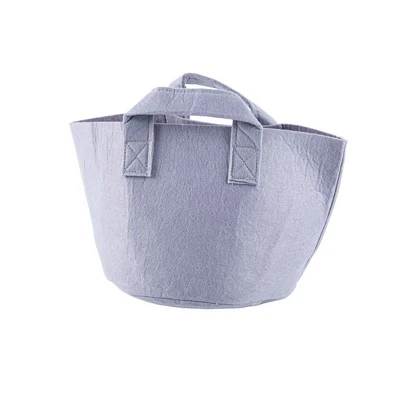
If you’re ready to explore custom non woven bag fabric solutions, or want more information about the quality and sustainability options available, feel free to reach out to our team to discuss your specific requirements.
Felt Bag References
- Non Wovens Industry Association. (2022). Global Non Wovens Market Report.
- OEKO-TEX International. (2023). Standard 100 for Textile Products: Chemical Safety Guidelines.
- United Nations Environment Programme. (2021). Single-Use Plastics: Global Waste Reduction Trends.
- Technical Association of the Pulp and Paper Industry. (2020). Non Woven Fabric Manufacturing Processes and Quality Standards.
- Global Recycled Standard. (2022). Certification Requirements for Recycled Textile Products.
Wenzhou Hangyi Packing Co., Ltd.
As one of the most professional non woven bag manufacturers and suppliers in China, we also support customized service. Please rest assured to wholesale bulk durable non woven bag in stock here from our factory. If you have any enquiry about pricelist, please feel free to email us.
Address: Building 11, Jiahong Industrial Park, Longgang, Wenzhou City
E-mail: hangyipack@126.com
WebSite: https://www.hangyipack.com/
