If you’ve ever stood near an industrial drying line—say, after a batch of fresh, moist pellets has to be processed before packaging, or when crops harvested at dawn need to be stripped of excess moisture to stop spoilage before midday—you’ve probably wondered how manufacturers get such uniform, consistent results, even across huge volumes of material. For 18 years, I’ve been on the floor of my family’s industrial equipment supply company, helping farm operations, food processors, and pharmaceutical manufacturers solve their biggest drying headaches, and more often than not, the answer we land on is a rotary tunnel dryer. Tunnel Dryer
It’s not some mysterious piece of lab-grade gear only for NASA or Fortune 500 facilities—far from it. A rotary tunnel dryer is a continuous-processing industrial drying system designed to remove surface and internal moisture from bulk materials without overheating, damaging, or distorting the product itself. Unlike batch dryers that handle one full load at a time, which means downtime for loading, unloading, and cleaning between every batch, rotary tunnel dryers move material in a steady, controlled stream through a long, heated tunnel while exposing it to evenly distributed air or gas, 24/7 if needed. That continuous flow cuts processing time by as much as 60% for high-volume operations, compared to older batch-style alternatives, and it’s versatile enough to work with almost every bulk material you can name—from wet corn and wood pellets to pharmaceutical powders, even certain types of industrial sludge.
Let’s break down how it actually works, because the science isn’t nearly as complicated as some operators make it out to be. The core of the system is the cylindrical, insulated tunnel itself, usually 20 to 100 feet long, depending on the application, lined with heat-resistant metal that holds consistent temperatures (usually between 120°F and 500°F, adjustable for heat-sensitive materials like herbs or fine powders). On one end, you have two key parts: the material feed hopper, which is calibrated to drop a steady, measured stream of wet product into the tunnel, and the air handler unit, which blows heated air (or sometimes inert gas, for flammable materials or products that need to stay oxygen-free) evenly across the tunnel’s full width, not just in hot spots that can burn or scorch material.
Here’s where the “rotary” part comes in, and why it’s the secret to its reliability. The tunnel itself rotates slowly—usually between 1 and 10 RPM, a speed that’s adjusted based on how much moisture needs to be removed and how fragile the product is. As it turns, the internal blades (called flights) line the inside of the tunnel, lifting the material up as the cylinder spins, then dropping it back down in a thin, even curtain through the heated air stream. That curtain is what makes all the difference: every particle of material is exposed to the same amount of heat and airflow, so no part of the load gets over-dried while another remains too wet. The rotation also prevents clumping, which is a huge problem for sticky materials like wet starch or fruit pulp that can otherwise stick together and ruin an entire batch in a less designed dryer.
On the opposite end of the tunnel, there’s an exhaust system that pulls moist, cooled air out of the tunnel at a steady rate—you never want moisture hanging around, because that can reabsorb into the product, ruining your dry finish. Some advanced models also have a secondary cooling zone at the discharge end, so material comes out dry and cool, ready for packaging or further processing, instead of hot and prone to spoiling as it sits in storage.
After 18 years selling these systems, I can tell you rotary tunnel dryers aren’t one-size-fits-all, and that’s probably the biggest mistake I see new operators make when they first start looking for equipment. A small-scale herb farm processing 500 pounds of fresh mint a day has totally different needs than a wood pellet manufacturer turning out 50 tons of product per hour. For the herb farm, we’ll spec a rotary tunnel dryer with lower maximum temperature (around 150°F) and a slower rotation speed, so the delicate essential oils in the mint don’t break down or evaporate during drying. For the wood pellet producer, we’ll size a longer, faster-spinning tunnel, crank the temperature up to 350°F, and use direct combustion heat from natural gas, because wood pellets need to be fully cured to meet industry durability standards for shipping.
Even pharmaceutical manufacturers use rotary tunnel dryers—we’ve installed models for several contract drug makers that process fine powder for tablets, where consistency is non-negotiable. Those units use inert nitrogen gas instead of heated air to eliminate oxygen contact, which prevents oxidation of active pharmaceutical ingredients (APIs) that would make the drug less effective. The rotary action keeps the fine powder from settling in clumps, so every tablet made from the dried powder has the same dosage, batch after batch.
Another common use? Food processing, specifically for snacks like sliced fruit, vegetables, and pet treats. A few years back, we worked with a small pet food company that was losing 20% of their duck jerky treats to mold during shipping, because their old batch dryer left inconsistent moisture levels. We swapped in a compact rotary tunnel dryer, adjusted the temperature and airflow to get the moisture content exactly at 12% (the sweet spot for jerky shelf life), and their waste dropped to less than 1%—that’s thousands of dollars saved a month, just from a properly sized rotary system.
But let’s get real: rotary tunnel dryers aren’t perfect for every job. If you’re processing very small, individual items, like blueberries or individual nuts, a conveyor dryer might be more cost-effective. If you’re only drying a few hundred pounds of material a week, the setup and installation cost of a rotary tunnel dryer might not make sense, and a smaller batch dryer will save you money upfront. They also require regular maintenance—checking the flight blades for wear, cleaning the exhaust system to prevent lint or dust buildup, and calibrating the air handler to keep temperatures consistent. For most operations, though, the long-term savings from faster processing, less waste, and lower labor costs far outweigh the maintenance and initial investment.
A lot of people confuse rotary tunnel dryers with rotary kilns, and that’s another common mistake. Rotary kilns are for high-heat processing, like firing cement or heating ore to high temperatures. Rotary tunnel dryers operate at much lower temperatures, and their primary job is moisture removal, not chemical transformation. They also use a much larger airflow rate relative to the volume of material, so the heat is distributed evenly, not concentrated at the center like a kiln.
Over the years, we’ve also seen a lot of innovation in the space. Newer models have IoT sensors that track moisture content in real time, adjusting rotation speed and airflow automatically, so operators don’t have to tweak settings mid-run. Some are even powered by waste heat from other parts of a facility—like the hot exhaust from a grain elevator or a food processing line—making them much more energy-efficient than older units that ran on standalone boilers. That’s a huge win for customers looking to cut utility costs and meet sustainability goals, which is a big priority for most of our clients these days.
I always tell potential customers that the best rotary tunnel dryer isn’t the biggest or the most expensive one we sell—it’s the one sized and calibrated for their specific material and production needs. Too many people come in thinking they need a unit that can handle 100 tons an hour, when they only process 2 tons a day, and they end up wasting thousands of dollars on unused capacity. We take the time to walk through their entire process: how much wet material they produce daily, what their target moisture level is, how fragile their product is, and how much space they have on the plant floor, before we ever put a spec sheet together.
At the end of the day, a rotary tunnel dryer isn’t just a piece of equipment—it’s a solution to one of the most common, and most costly, bottlenecks in bulk material processing. Whether you’re a small farm trying to get your crop to market before it spoils, a food processor cutting waste to boost profits, or a pharmaceutical manufacturer needing consistent, safe dry product to keep your operations compliant, a properly sized rotary tunnel dryer can make a huge difference.
If you’re tired of inconsistent drying results, frequent batch downtime, or high waste rates from your current drying system, I’d encourage you to reach out to discuss your specific application. We work with operations of all sizes, from small family farms to large industrial manufacturing facilities, and we can help you find a rotary tunnel dryer that fits your budget, your space, and your production goals. Don’t waste another month struggling with a dryer that doesn’t keep up with your needs—let’s talk about how a rotary tunnel dryer can streamline your process and boost your bottom line.
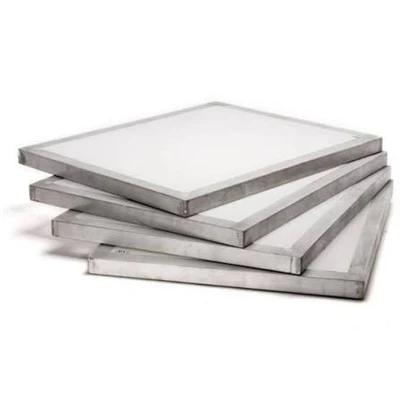
Screen Frame for Screen Printing Presss References
- Strumillo, C., & Kudra, T. (1986). Drying: Principles, Applications, and Design. Taylor & Francis.
- Mujumdar, A. S. (2014). Handbook of Industrial Drying (4th ed.). CRC Press.
- Keey, R. B. (1992). Drying of Loose and Particulate Materials. Hemisphere Publishing Corporation.
- American Society of Agricultural and Biological Engineers. (2020). ASAE Standard S404: Methods for Determining Moisture Content of Grains, Seeds, and Other Agricultural Crops.
- Labuza, T. P. (1984). Moisture Sorption: Practical Aspects of Isotherm Measurement and Use. American Association of Cereal Chemists.
Guangdong Aces Machinery Co., Ltd.
Guangdong Aces Machinery Co., Ltd. is one of the most professional tunnel dryer manufacturers and suppliers in China. We are committed to providing high quality equipment made in China with low price. If you’re going to buy durable tunnel dryer, welcome to get pricelist from our factory. Customized orders are welcome.
Address: 701, Building 5, Liandong U Valley, No.8 Zhixin 1st Road, Dagang Town, Nansha District, Guangzhou City, Guangdong Province, China.
E-mail: jessie@bhprinter.com
WebSite: https://www.bihongprinter.com/
