If you’ve ever worked in industrial fluid control—whether in water treatment, oil and gas, pharmaceutical manufacturing, or even food and beverage processing—you know that valves are only half the solution. A valve by itself is just a gate; it won’t open, close, or adjust to meet your process needs unless it has an actuation system behind it. For years, I’ve supplied “Other Valves”—the broad category of valves that aren’t just the standard gate, globe, or ball valves you see in every spec sheet—and I can’t tell you how many times potential customers come to me asking, “Which actuation do I need for these non-standard valves?” The answer isn’t one-size-fits-all, and that’s exactly what I want to break down here, based on 12 years of working directly with plant engineers, maintenance teams, and project managers across 17 different industries. Other Valves
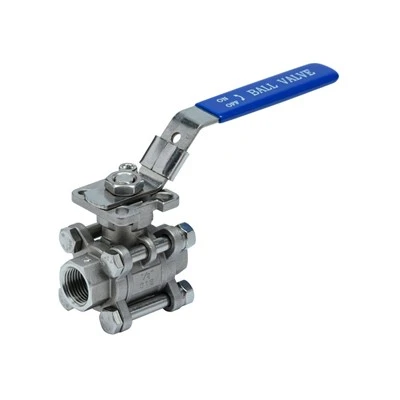
First, let’s clarify what “Other Valves” means to me and my customers. It’s the umbrella term for specialty valves that aren’t part of the most common line items: think pinch valves, diaphragm valves, plug valves, sleeved butterfly valves, and needle valves used in unique applications. These valves are designed for specific jobs—like handling abrasive slurries in mining, corrosive chemicals in pharma, or viscous food products in processing—so their actuation systems need to match not just the valve, but also the exact demands of the process. Over the years, I’ve seen projects fail not because of a bad valve, but because someone paired a pneumatic actuator that couldn’t handle dust with a valve in a coal processing plant, or an electric actuator that had too slow a cycle time for a packaging line that runs 24/7.
Let’s start with the most common actuation I see for Other Valves: pneumatic actuation. If you’ve worked in industrial settings, you’re familiar with compressed air lines—they’re in most plants, they’re relatively cheap to run compared to other power sources, and they’re reliable for many applications. For Other Valves, pneumatic actuators are ideal for two big reasons: they’re compact, and they deliver consistent, high force, which is critical for opening or closing valves that are sized for high-pressure or high-flow media. Pinch valves, for example, rely on squeezing a rubber or elastomer sleeve shut to block flow. A pneumatic actuator can deliver that precise, uniform squeeze every time, without over-tightening and damaging the sleeve. I sold a set of 12 pneumatically actuated pinch valves to a mine processing plant in Wyoming two years ago, and they still run flawlessly—even through the harsh winter temperatures that would make other actuators seize up. That said, pneumatic actuation isn’t perfect. It requires a steady supply of compressed air, so if a plant’s air compressor goes down, those valves stop working. They also aren’t great for applications where you need precise, modulating control—most basic pneumatic actuators are either all open or all closed, though you can get modulating variants for some specialized use cases. For Other Valves that only need on/off control, though, pneumatic is hard to beat in terms of cost and reliability.
Next up: electric actuation. This is the one that’s grown in popularity a lot over the last decade, as plants have shifted toward more automation and IoT integration. Electric actuators run on standard electrical power, and they come in two main types: on/off and modulating. The big advantage here is control. If you have a diaphragm valve used in a pharmaceutical manufacturing line that needs to adjust flow rates precisely to meet FDA quality standards, an electric actuator can do that—you can set it to open 30% instead of just fully open or closed, which is something most basic pneumatic actuators can’t do. I recently worked with a biotech startup that was making a new antibiotic, and they needed a diaphragm valve that could adjust flow in tiny increments to avoid cross-contamination. Pairing our electric actuated diaphragm valve solved their problem, and they’ve since ordered 20 more sets for their new facility. Electric actuators also don’t require compressed air lines, so they’re easier to install in spaces where running new air lines would be expensive or impossible—like small, retrofit areas in an old factory. But they have downsides too. They’re more expensive upfront than pneumatic actuators, and they have moving parts that can wear out over time, especially if they’re used in harsh, dusty environments. I also always warn customers about surge power issues—if a plant has frequent brownouts, electric actuators might not operate reliably unless they have backup batteries, which adds to the cost. That’s a tradeoff I always make sure to highlight: if your process needs fine control and integration with automation, electric is worth the extra cost, but if you just need simple on/off control in a space with consistent air supply, pneumatic is better.
Then there’s hydraulic actuation, which is the workhorse for high-pressure, heavy-duty applications that most Other Valves are built for. Hydraulic actuators use pressurized fluid—usually oil, water, or a specialized hydraulic fluid—to generate force. The force they produce is way higher than pneumatic or electric actuators, which makes them perfect for large, heavy plug valves or sleeved butterfly valves used in oil and gas pipelines or large-scale water treatment plants. I supplied a set of hydraulic actuated plug valves to a pipeline maintenance project in Texas last year, and these valves are rated for 1,500 PSI, which is way beyond what pneumatic or electric actuators can handle. Hydraulic actuation is also very reliable in extreme temperatures—they work well in both Arctic cold and desert heat, which is a big plus for remote industrial sites. But like everything, they have caveats. They require a separate hydraulic power unit (HPU), which adds bulk and cost to the setup. There’s also a risk of leaks—hydraulic fluid can be messy, and if it leaks into a process that needs to stay clean (like food and beverage or pharma), it can contaminate the product. I always tell customers to consider hydraulic only if they have high-pressure needs or are working in remote areas where power or air supply is limited. If your process is in a standard, clean facility, hydraulic is probably overkill.
Now, let’s talk about two actuation types that are less common but perfect for specific, niche Other Valves: manual actuation and spring-return fail-safe actuation. A lot of people overlook manual actuation, especially with automated systems, but it’s still critical for many situations. For small diaphragm valves or plug valves used in maintenance or backup systems, manual actuation is simple, cheap, and doesn’t require any external power source. I keep a stock of manual actuated Other Valves for customers who need a backup system for when automation goes down—last year, a chemical plant had a power outage and the automated actuators on their needle valves stopped working, so they were able to swap in manual actuated spares and keep their process running without downtime. The key here is that manual actuation is only for small, low-cycle valves—you wouldn’t want to manually operate a large plug valve that opens and closes dozens of times a day, that would be too much work.
Spring-return fail-safe actuation is a hybrid that combines one of the above power sources (pneumatic, electric, hydraulic) with a spring. The spring provides an automatic backup if the main power source fails—so if compressed air runs out or power cuts, the valve will either open or close, depending on how you set it. This is absolutely critical for safety-related valves—for example, a pinch valve used in a mining plant that handles explosive slurries needs to close automatically if there’s a power failure to prevent leaks or accidents. I can’t stress enough how important this is for customers working in hazardous processes. I once had a customer in the energy sector who skipped fail-safe actuation for a set of valves in a cooling system, and when a pump failure caused a power outage, the valves stayed open, leading to a flood that cost them $200,000 in downtime. That’s the kind of mistake I help customers avoid by recommending spring-return actuators when safety is a factor.
Before I wrap up, I want to share a few lessons I’ve learned over the years about pairing actuation with Other Valves, because this is where most customers get confused. First, never assume “standard” actuation works for specialty valves. I’ve seen customers try to pair a standard ball valve actuator with a pinch valve, and it just doesn’t work—pinch valves need linear force, not the rotary force that most ball valve actuators provide. Second, test for your specific environment. If you’re in a dusty sawmill, a electric actuator with exposed wiring is going to fail fast—go with pneumatic or sealed electric actuators. If you’re in a food processing plant that can’t have any fluid leaks, skip hydraulic actuators and go with electric or pneumatic. Third, don’t overbuy. If you don’t need fine control, don’t spring for an expensive modulating electric actuator—basic pneumatic will do the job and save you money. I’ve had customers call me later to return actuators they bought that were too powerful or complex for their needs, and it’s never because they needed a better system—it’s because I didn’t ask enough questions upfront. Which is why I always start by asking customers three things: what media are you moving? What pressure and temperature is the system operating at? And do you need on/off control or modulating control? Those three questions eliminate 90% of the confusion.
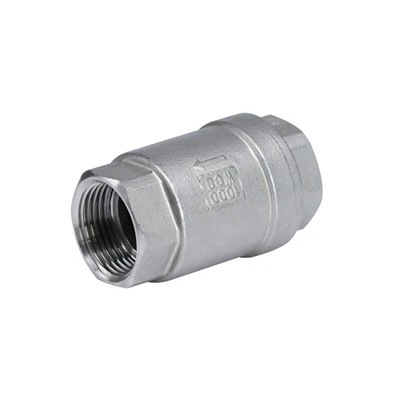
At the end of the day, my job as an Other Valves supplier isn’t just to sell you a valve and an actuator—it’s to make sure they work together for your specific process. I’ve been in this business long enough to know that a valve that’s the right size but has the wrong actuation is just a fancy paperweight. Whether you need a set of pneumatically actuated pinch valves for a mining slurry line, electric actuated diaphragm valves for a pharma production facility, or hydraulic actuated plug valves for an oil pipeline project, I’ve got the experience and the products to get it right. If you’re working on a project and aren’t sure which actuation is best for your Other Valves, don’t guess—reach out to my team and me. We’ll walk through your application, answer all your questions, and make sure you get the exact system you need, no overpaying for unnecessary features, no underbuying that leads to downtime.
Pipe Nipples References
Valve Actuation Basics. Chemical Engineering Resource.
Industrial Fluid Control Systems Handbook. McGraw-Hill.
Specialty Valves and Actuation for Niche Industrial Applications. Industrial Automation Magazine.
Safety Standards for Fail-Safe Valve Actuation. OSHA Process Safety Management Guidelines.
Hydraulic vs Pneumatic vs Electric Actuators: Performance and Cost Comparison. Plant Engineering Journal.
United Brothers Metal Products Co., Ltd.
United Brothers Metal Products Co., Ltd. is one of the most professional valves manufacturers and suppliers in Vietnam. We are committed to providing high quality customized products with competitive price. Please feel free to buy bulk durable valves in stock here from our factory. Also, pricelist is available.
Address: Lot 61c2, 99a, 99b Long Giang Industrial Park, Tan Phuoc 3 Commune, Dong Thap Province, Vietnam
E-mail: sales@ubfittings.com
WebSite: https://www.ubvalves.com/
