If you’ve been in the vape space for more than a quick scroll through a social media feed, you’ve probably seen MESII disposable and rechargeable vapes pop up as top picks for users who want consistency, portability, and minimal hassle. As a MESII vape supplier who’s worked directly with retailers and end users for the past six years, I get asked this question every single day: what’s the actual difference between these two product lines, beyond just “one’s for single use and the other isn’t”? It’s not just about battery life or how many puffs you get—there are design differences, regulatory nuances, and even sustainability angles that make each option fit for totally different users. I’m going to break this down like I would for a regular customer who’s still trying to figure out what works for them, no industry jargon, no fluff. MESII Vape
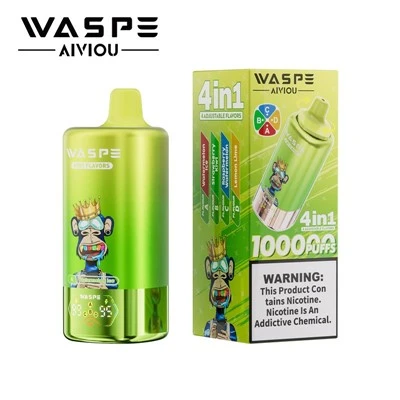
First, let’s start with the core build, because that’s where the biggest split happens. MESII disposable vapes are designed as “use once, discard” units from the moment they leave our warehouse. Everything inside is calibrated for a single use cycle: the battery is a non-rechargeable lithium-ion (Li-ion) cell that’s matched exactly to a pre-filled e-liquid pod, usually with a 1.2mL or 2mL capacity. The heating element, or coil, is a pre-wound ceramic coil that’s built to last just long enough for the e-liquid to run out—no extra capacity, no space for a recharge port, nothing. That’s why you won’t find a USB port on a MESII disposable; we skipped that entirely to keep the unit small, lightweight, and cheap enough for impulse purchases. I’ve seen first-hand how users love that: they grab a MESII disposable on a road trip, at a concert, or on a weekend vacation, no need to carry extra chargers or worry about a device dying mid-event. The downside here is obvious: once the e-liquid is gone (usually after 300 to 500 puffs, depending on how hard you inhale) or the battery dies, the whole unit goes into the trash. That’s a big reason sustainability advocates push back on disposables, and it’s a factor even I have to address when talking to retail clients who want to cater to eco-conscious customers.
Now the rechargeable MESII vapes are built the exact opposite way. These are modular, with two core parts: a reusable battery base and a replaceable e-liquid pod. The battery is a high-capacity 18650 lithium-ion cell (or a smaller, more portable 21700 option, depending on the model) that’s designed to hold a charge for days, not hours. It has a built-in USB-C port, so you can top it up with any standard charger you have lying around—no proprietary cables, which is another big win for users who hate carrying extra gear. The coil here is also different: instead of a pre-made one, it’s a replaceable wick and coil that you can swap out without buying a whole new device. That means the only thing you’re replacing when you run out of e-liquid is the pod, not the entire vape. As a supplier, I love that for the end user because it cuts down on long-term costs: a rechargeable MESII might cost $25 upfront, but replaceable pods are $8 each, which works out way cheaper than buying a $10 disposable every week.
Next, let’s get into performance, because that’s what actually matters to most users. MESII disposables are tuned for consistency, not customization. The airflow is fixed—you inhale, it activates the heating element, and you get a smooth, steady hit every time, no guesswork. The e-liquid is pre-mixed with a 50/50 PG/VG ratio, which gives a nice throat hit and produces just enough vapor for most casual users. The ceramic coil is designed to burn the e-liquid evenly, so you don’t get that burnt aftertaste that plagues cheap disposables. But because it’s a single-use unit, there’s no way to adjust the wattage or airflow—if you want a warmer hit or bigger clouds, a disposable won’t cut it. That’s where rechargeable MESII models shine. You can tweak the wattage (most have a simple on/off button and a +/– adjustment) to get the exact temperature you want, and the airflow is adjustable too. I’ve had customers tell me their MESII rechargeable is perfect for both mornings (milder, tighter hits) and evenings (bigger, cloudier draws) because they can dial it in. The coils also last much longer in rechargeable models—usually up to two weeks, compared to a few days in a disposable—because you’re not running the heating element non-stop; you can pause and adjust as needed.
Then there’s the regulatory and safety side, which is something no supplier can ignore. Disposable vapes have come under a lot of scrutiny in the last few years because of reports of discarded units ending up in landfills and, more seriously, loose batteries causing fires. MESII has worked with global regulatory bodies (like the TPD in the EU and the FDA in the US) to make our disposables as safe as possible: we use sealed battery casings that can’t be opened by consumers, so there’s no chance someone can tamper with the lithium cell, and all e-liquid is tested to have no harmful additives. That said, because they’re single-use, there’s a higher risk of improper disposal, which is why we now include recycling instructions with every MESII disposable we ship to retail partners. Rechargeable MESII models, on the other hand, fall into a different regulatory category because they’re “closed-system” devices that require replaceable pods. They’re also subject to the same battery safety standards, but because the battery is reusable, there’s a push to recycle the old batteries instead of tossing them whole. We partner with third-party recycling services for our rechargeable units, so retailers can offer a take-back program for old batteries, which is a big selling point for customers who want to be more eco-friendly.
Sustainability is a topic I get a lot of questions about, and it’s where the two products differ the most. Let’s run the numbers: a single MESII disposable is made of plastic, a small battery, and 2mL of e-liquid. Over the course of a year, a casual user might go through 50 of these, which adds up to 50 plastic units and 50 batteries. A rechargeable MESII, though, is one battery base (which should last 1 to 2 years) and 50 replaceable pods (each with 2mL of e-liquid). That means instead of 50 units, you’re only replacing 50 small pods, cutting plastic waste by more than 80% in that time frame. I’ve had retail clients who switched from only carrying disposables to mixing in rechargeable MESII models because their customers started asking for more sustainable options, and sales for the rechargeable line jumped 35% in the first quarter of last year. That’s not to say disposables are bad—for someone who only vapes occasionally, or who needs a backup for a trip where they don’t want to risk losing a $25 device, a disposable makes total sense. But for regular users, the rechargeable option is way better for the planet.
Cost is another practical difference, especially for long-term users. Let’s do a quick breakdown: a MESII disposable costs around $10, with 400 puffs, so that’s 2.5 cents per puff. A rechargeable MESII battery is $25, with a 1,500 puff capacity, so that’s about 0.7 cents per puff just for the battery. Then each replaceable pod is $8, with 400 puffs, so that’s another 2 cents per puff, bringing the total to around 2.7 cents per puff. Wait, that’s a little more than the disposable per puff, but wait—you use the battery for a year, so you’re not buying a new $25 battery every month. Over a year, a user who vapes 400 puffs a week (about one disposable a week) would spend $520 on disposables. With the rechargeable, they’d spend $25 on the battery, plus $416 on pods, for a total of $441. That’s a $79 savings, not to mention the plastic waste. For heavy users, that gap gets even bigger—someone who vapes 800 puffs a week would save $150 a year with the rechargeable model.
I should also mention the user experience for people who are new to vaping, because that’s a big group for MESII products. Disposables are zero-learning curve: you take them out of the box, inhale, and go. There’s no charging, no refilling, no adjusting, no risk of overfilling a pod and making a mess. That’s why they’re so popular for people quitting smoking and looking for a simple transition. Rechargeable models require a little more setup: charging the battery for 30 minutes first, inserting the pod, maybe adjusting the wattage. But once you’re set up, it’s much easier to use long-term, and you get a better quality hit because you’re not relying on a pre-wound coil that’s only designed to last a few hundred puffs. I’ve seen so many new users start with a MESII disposable, love the experience, then switch to the rechargeable model once they’re comfortable, because it feels like a more “grown-up” device without the complexity of open-system mods.
Now, as a MESII vape supplier, I don’t try to tell customers one is better than the other—because it depends entirely on their needs. If you’re a casual vaper who travels a lot, needs something small to slip in your pocket, or wants a low-cost trial option, the disposable is perfect. If you’re a regular vaper, want to save money long-term, reduce your plastic footprint, and customize your hit a little, the rechargeable is the way to go. We also stock both lines, so retail clients can cater to both groups, which is why our sales have stayed steady even as vape regulations change and consumer preferences shift.
I’ve spent years working with both products, testing every batch in our warehouse, talking to customers about what works and what doesn’t, and the biggest takeaway is that the difference isn’t just in the product—it’s in the intent behind each design. Disposables are built for convenience and instant access, rechargeables are built for value and sustainability. Neither is right for every single person, but both have a place in the market.
If you’re a retailer looking to expand your vape inventory, or a customer who wants to test both MESII disposable and rechargeable options, don’t hesitate to reach out for a consultation tailored to your needs. We can help you pick the right mix of products for your space, offer bulk pricing, and even provide educational materials for your customers about the differences between the two lines.
Disposable Vape References
- European Tobacco Products Directive (TPD) – Regulation on e-cigarette and disposable vape safety and labeling, 2022.
- U.S. Food and Drug Administration (FDA) – Center for Tobacco Products, Disposable Vape Safety Guidelines, 2023.
- Global Vape Industry Sustainability Report – 2024, conducted by the International Vapor Products Association (IVPA).
- MESII Internal Product Testing Data – Disposable vs. Rechargeable Vape Performance, 2021–2024.
Viva Limited
As one of the most professional mesii vape suppliers in China, we’re featured by quality products and low price. Please rest assured to wholesale bulk premium mesii vape for sale here from our factory. We also accept customized orders.
Address: RM33/F RUBY COMM BUILDING NO.480 NATHAN ROAD KL
E-mail: Yoyo@vaxevape.com
WebSite: https://www.vaxevape.com/
