If you’ve ever grown apricots or plums, you know there’s nothing more frustrating than putting in all the work to nurture your trees — only to end up with small, bland fruit or bare branches with next to no yield. As someone who’s spent the last 12 years growing, harvesting, and supplying these stone fruits to small farms, local markets, and restaurant buyers, I’ve tested just about every fertilizer under the sun trying to figure out what actually works for these specific trees. The wrong stuff leads to leggy growth that’s prone to disease, weak roots that can’t handle summer drought, and fruit that splits before it’s ripe. The right fertilizer? It’s the difference between a tree that barely pulls through the season and one that gives you enough juicy apricots and plums to last all summer — and then some. Apricot and Plum

Let’s cut through the hype first: there’s no “one-size-fits-all” fertilizer for apricots and plums. These are stone fruit trees, which have slightly different needs than apples or peaches, and their requirements shift depending on their age, soil type, and even the climate you’re growing in. I’ve worked with trees in loamy California soils and heavy clay in the Pacific Northwest, and what works for one might not work for the other. But after years of trial and error, I’ve landed on a set of rules that never fail — and today I’m sharing them, along with what I feed my own trees (and the ones I supply to my partner farms).
First, let’s start with the basics: what do apricot and plum trees actually need? They’re heavy feeders, but not in the way that means dumping as much nitrogen as possible on them. Nitrogen is great for green growth, but too much of it leads to soft, weak branches that get hit with frost damage in early spring and attract pests like aphids. The key is a balanced, slow-release fertilizer with a focus on three main nutrients, plus a few key micronutrients that most people forget about. Nitrogen is important for young trees that are still growing their roots and branches, but once a tree starts bearing fruit (usually around 3-4 years old), phosphorus and potassium take center stage. Phosphorus is for roots and fruit development, and potassium helps the tree handle stress — think summer heat, dry spells, and disease resistance. Micronutrients like zinc, iron, and manganese are non-negotiable too; apricots especially struggle with zinc deficiency, which shows up as yellowing leaves and tiny fruit.
Now, let’s talk about the best options, starting with the ones I swear by for my supply trees. First up: organic, slow-release granular fertilizers formulated specifically for stone fruits. I’ve used a few different brands over the years, but the one I keep coming back to has an NPK ratio of about 10-10-10 for young trees and 5-10-10 for bearing trees. Why? The lower nitrogen for mature trees keeps growth in check, while the extra phosphorus and potassium support better fruit set and larger, sweeter fruit. The slow-release part is huge because it feeds the tree steadily over 3-4 months, instead of a quick burst that leads to all that soft growth I mentioned earlier. I apply this in early spring, right when the buds start to swell, and then again in late fall after all the leaves have dropped. That second feeding helps the tree build up energy for the next growing season, which is critical for consistent yields year after year.
But organic isn’t the only way to go — and for some of my partner farms that prefer synthetic fertilizers, I have a go-to pick there too. A water-soluble, balanced fertilizer with added micronutrients works well if you apply it correctly. The catch here is that you don’t want to overdo it; synthetic fertilizers can burn roots if you use too much, and they leach out of the soil faster, so you have to split applications into smaller doses. I suggest using half the recommended amount every 2-3 weeks during the growing season, instead of a big dose once a month. This keeps the tree fed without shocking it, and it’s easy to adjust based on how the tree looks — if leaves are yellowing, you can give it an extra light dose, no need to amend the whole yard.
Wait, but what about homemade options? A lot of backyard gardeners love compost, and it’s definitely not a bad choice — in fact, I use homemade compost as a top-dress around all my trees every spring. The thing is, compost alone doesn’t have the consistent nutrient levels that a formulated fertilizer does. If you use compost, you might get great growth one year and almost nothing the next, because the nutrient count shifts depending on what you put in the pile. It’s a great addition to any fertilizer routine, but it shouldn’t be your only source of nutrients. I also use well-rotted manure (from cows or chickens, never fresh manure — that can burn roots and spread disease) mixed in with the compost once a year. Manure adds organic matter and a small amount of nitrogen, which is perfect for young trees that need a little extra push to get established.
Now, let’s talk about what not to do, because I’ve seen so many people make these mistakes that ruin their apricot and plum harvest. First, don’t use high-nitrogen fertilizers like lawn fertilizer near your fruit trees. I once made this mistake early on — I was fertilizing my lawn, and the fertilizer ran off into the apricot tree’s root zone. The tree grew so much new growth that it didn’t produce a single apricot that year, and it got hit with a aphid infestation so bad I almost had to cut it down. Lesson learned: lawn fertilizer is made for grass, not for stone fruit trees. Second, don’t fertilize late in the summer or fall after the fruit has started to ripen. If you do, the tree will push out new growth right before winter, which will get killed by frost, and that weakens the whole tree for next year. Third, don’t ignore soil tests. I know, soil tests sound like a hassle, but they’re super helpful. If your soil is already high in phosphorus, adding more will do nothing but cause problems, like locking up other nutrients. For example, I did a test on my orchard a few years ago and found that my soil had plenty of potassium, but was low in zinc — so I added a zinc supplement instead of a generic fertilizer, and the next year’s harvest was way better than any before.
Let’s break this down by tree age too, because that’s a big factor I touched on earlier. For newly planted trees (the first 1-2 years), you want a fertilizer with a little more nitrogen to help them get established. I use a 12-6-6 granular organic fertilizer for these, applied once in early spring and once in mid-summer, never after August. Too much nitrogen on young trees can make them grow too fast, leading to weak wood that breaks in wind or snow. For trees that are 3 years old and starting to bear fruit, switch to that lower-nitrogen, higher-phosphorus/potassium mix I mentioned. Once a tree is fully mature (5+ years old and producing a heavy harvest), you can cut back to just one application a year, in early spring. Mature trees don’t need as much feeding, and over-fertilizing them will lead to excess growth and smaller fruit.
Now, a quick note about specific needs for apricots vs. plums, because people often ask if they need different fertilizers. Apricots are a little more finicky when it comes to nutrients — they’re way more prone to zinc deficiency than plums, so I always make sure my apricot fertilizer has added zinc. Plums are a bit more tolerant, but they do benefit from a little extra potassium, especially if you’re growing plums that are meant for canning (they need firmer fruit that holds up to processing). I adjust my fertilizer mix slightly each year based on what I harvest — if my apricots are small, I add a zinc spray in early spring, and if my plums split too much when they’re ripe, I bump up the potassium a little.
As someone who supplies apricots and plums, consistency is everything. My customers rely on me to have a steady supply of high-quality fruit, so my trees have to produce the same amount every year, no matter what the weather throws at us. That’s why I stick to a strict fertilizer routine, instead of guessing or switching things up every season. I keep track of what I apply, when I apply it, and what the harvest is like each year, so I can tweak things as needed. For example, a few years ago we had a super wet spring, so the fertilizer I used leached out faster than usual, and my trees looked like they were struggling by mid-summer. I switched to a water-soluble fertilizer as a quick top-up, and by fall they were back to normal. That’s the thing about stone fruit trees — they adapt, but you have to adjust your feeding routine to meet their needs, not just follow a generic guide.
I also can’t stress enough the importance of combining fertilizer with good growing practices, because no fertilizer works in a vacuum. Make sure your trees are getting enough water — especially when the fruit is swelling in late spring and early summer. If they’re drought-stressed, even the best fertilizer won’t help them produce good fruit. And don’t skip pruning! I prune my trees every winter to open up the canopy, so sunlight and air can get in. Good air flow reduces disease, and sunlight helps the tree use the nutrients from fertilizer more effectively. It’s a team effort: soil, water, sunlight, and the right fertilizer working together.
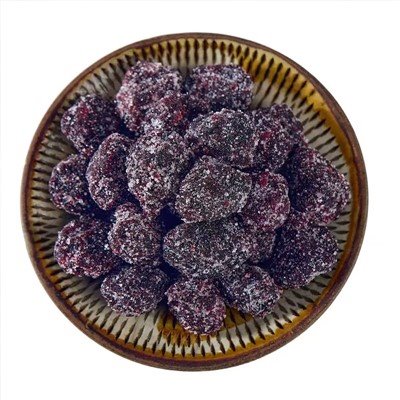
Now, if you’re someone who’s looking to source high-quality apricots and plums, you know how hard it is to find fruit that’s ripe, flavorful, and consistently good. That’s why I put so much care into my fertilizing routine — it’s the foundation of every harvest I supply. Whether you’re a small farm owner looking to improve your crop, a restaurant buyer who wants better fruit for your menu, or a backyard gardener trying to get the most out of your trees, the right fertilizer makes all the difference.
Dried Fruit If you’re ready to take your apricot and plum growing (or sourcing) to the next level, let’s connect. I’m always happy to share more tips, answer questions about your specific soil or climate, or work with you to find the right products for your needs. Whether you’re looking to improve your own backyard harvest or partner with a supplier that delivers reliable, delicious fruit, I’m here to help you get the best out of these amazing stone trees.
References
- University of California Agriculture and Natural Resources. “Stone Fruit Nutrition Management.”
- Washington State University Extension. “Fertilizing Home Fruit Trees.”
- Penn State Extension. “Micronutrient Deficiencies in Stone Fruit Trees.”
- The Fruit G rowers Guide. “Organic Fertilizers for Stone Fruits.”
- American Society for Horticultural Science. “Nutrient Requirements of Prunus Species.”
Gayafru Food (Hangzhou) Co., Ltd.
As one of the most professional apricot and plum manufacturers and suppliers in China, we have world-leading production equipment and strong manufacturing capabilities. Please rest assured to buy bulk high quality apricot and plum made in China here from our factory.
Address: 2nd Floor, Building 5, No.513-523 Shunda Road, Economic and Technological Development Zone, Linping District, Hangzhou City, Zhejiang Province, China
E-mail: shenhuafang216@foxmail.com
WebSite: https://www.gayafru.com/
