Hey there! If you’ve ever walked into a cozy café with those walls that slide back completely to turn the indoor dining area into an open patio, or stepped into a home office that folds right into the living room to save space, chances are you ran into a folding door. I’m the owner of a folding door supplier that’s been around for a few years, and I get asked this question all the time from homeowners, contractors, and even café owners: “What even is a folding door, and why should I care?” Let me break it down like I would to a buddy at a backyard BBQ—no stuffy jargon, just real talk. Folding Door
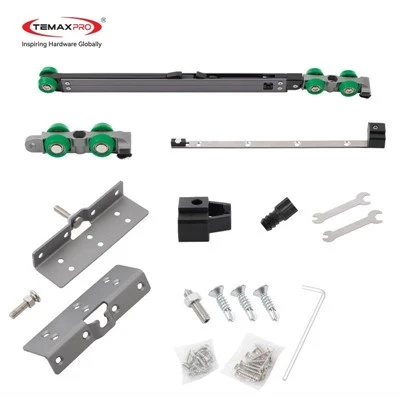
First off, let’s clear up the confusion. A lot of folks mix folding doors up with sliding glass doors or French doors, and I totally get why. Sliding doors move along a single track to one side, right? French doors swing open like regular doors, taking up floor space when they’re open. Folding doors? They’re the flexible middle ground (and sometimes way more than that) that folds into itself like an accordion, stacking neatly out of the way when you need an open space, and sealing up tight when you want privacy or insulation. That’s the basic gist, but let’s dive into the actual science behind how they work, because it’s way cooler than it sounds.
Every folding door system has three key parts that make it tick: the track, the hinges, and the panels. The track is what keeps everything moving smoothly—we usually install one top track (for the upper edge of each panel) and a bottom track (for the lower edge), though some slimline systems skip the bottom track for a super sleek look. The hinges connect each panel to the next, letting them fold at a 90-degree angle, kind of like the joints in your fingers. The panels themselves can be made of all kinds of materials: aluminum, wood, vinyl, even glass for that bright, open feel. We specialize in both residential and commercial-grade panels, because a folding door for a kitchen isn’t the same as one for a high-end restaurant.
Now, here’s a common myth: folding doors are flimsy, right? Nope, not these days. Twenty years ago, cheap folding doors were a pain—they’d wobble, the tracks would get jammed, and they’d leak air like a sieve. But modern engineering changed all that. Good folding doors have reinforced hinges that can handle hundreds of pounds, weather-stripping that seals so tight you won’t feel a draft on a cold day, and aluminum frames that are way sturdier than they look. For example, our commercial folding doors are rated to handle heavy use—think a café that opens and closes its doors twice a day, every day, and they still work like new. That’s why we only source parts from manufacturers that test their doors for wind resistance, water intrusion, and even noise reduction—super important for bedrooms or offices near busy streets.
Let’s talk about when folding doors actually shine, because they’re not a one-size-fits-all product. For homeowners, they’re perfect for small spaces. Say you have a studio apartment, and you need a home office that can turn into a guest room when your cousin crashes for a week. A folding door that slides along the wall to separate the space is way better than a traditional wall that takes up square footage. Or if you have a backyard deck, folding doors that connect your living room to the deck let you open up the whole space for a summer cookout—no more shuffling through a single door to get outside. For commercial spaces? Cafés, co-working offices, retail stores—they use folding doors all the time to adjust the size of their space. A small boutique might open up its back wall to a sidewalk patio on nice days, and close it off for extra display space when it’s rainy. That’s the magic of it—flexibility that other doors just can’t match.
Wait, let’s address the downsides, because I’m not gonna sell you something that’s not perfect for you. Folding doors do need a bit more space to fold than sliding doors, right? If you have a tiny entryway, a folding door might not work as well. Also, while good insulation is a big plus, some budget options don’t do as well in cold climates—so if you’re in Minnesota, you want to go with a system that has double-glazed glass and thermal breaks in the frames, not a cheap vinyl one. And installation matters a lot. If you hire a guy who’s never put in a folding door before, it might stick or sag. That’s why we always recommend working with a reputable supplier who can hook you up with trained installers—we even offer free consultations to measure your space and see if a folding door is the right fit.
A lot of people also ask: “Are folding doors just for big openings?” Nope. We have clients who install them for small spaces too, like a closet that needs to open wide for storing holiday gear, or a laundry room that separates the noisy washer/dryer from the living area. The smallest system we do is just a 2-foot-wide folding panel, and the biggest is for a 40-foot commercial storefront—so there’s a size for almost every space.
Now, why choose a folding door over other options? Let’s compare quick. Sliding glass doors: they only open to one side, so you can’t have a full 180-degree open space. French doors: they swing out, so if you have a small patio, they might bump into a chair or a grill. Folding doors stack neatly, so you can have the entire opening clear—no obstructions, no wasted space. That’s a game-changer for anyone who loves hosting, or just wants their space to feel bigger.
I’ve seen some really cool custom stuff over the years. One homeowner turned their garage into a home gym, and installed a folding door between the garage and the living room—so when they’re working out, they can close it for privacy, and when they’re entertaining, they open it up to have guests watch from the living room. Another café we worked with in downtown converted their back wall into a full folding door that opens to a pedestrian alley, so on weekends, the whole café spills out into the alley with extra tables. It’s stuff like that that makes my job fun—seeing how people use these doors to make their spaces work better for them.
Now, let’s get real about maintenance. A lot of folks think folding doors are high-effort, but they’re actually pretty low-key. Just wipe the tracks once a month to get rid of dust or leaves, and lubricate the hinges a couple times a year if they start to squeak. That’s it. No special tools, no fancy products. We even send a little maintenance kit with every door we sell, just to make it easy.
Wait, one more thing: energy efficiency. Modern folding doors are way better than old ones when it comes to keeping heating and cooling in. We use double-glazed glass and thermal break aluminum frames, which means they’re just as efficient as a standard exterior door. So you’re not wasting money on utility bills with a folding door—you get the flexibility, without the extra cost. That’s a big selling point for a lot of homeowners and business owners these days, when everyone’s trying to save on energy.
So, to circle back to the original question: what is a folding door? It’s a flexible, space-saving door system that folds into itself instead of sliding or swinging, designed to open up spaces, adjust for privacy, and make small areas feel bigger. It’s not a fad—they’ve been around for a while, but the engineering has gotten way better, making them a go-to for both residential and commercial projects.
If you’re thinking about adding a folding door to your home, business, or even a rental property, don’t just Google “folding door near me” and go with the first result. Pick a supplier who knows their stuff, who can answer all your questions, who offers good warranties, and who will work with you on custom sizes or materials. We’ve been in this game long enough to know that a door is a big investment, and you want it to work for you for years.
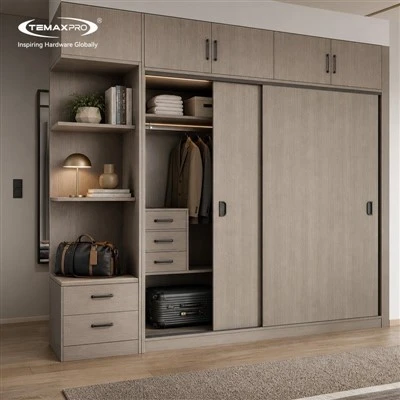
If you’re ready to chat about how a folding door could fit your space, hit us up to connect for a procurement discussion. We can talk about sizes, materials, installation timelines, and even show you some examples of past projects so you can see what’s possible.
Flat Door Lock References:
- National Association of Home Builders. (2022). “Space-Saving Door Solutions for Small Homes.” Residential Design & Construction Journal.
- American Architectural Manufacturers Association. (2021). “Performance Standards for Folding Door Systems.” AAMA 200-21.
- U.S. Department of Energy. (2023). “Energy Efficient Exterior Doors: A Guide for Homeowners.” Office of Energy Efficiency & Renewable Energy.
- International Code Council. (2022). “Residential and Commercial Door Installation Codes.” IRC/ICC IBC.
- Window and Door Manufacturers Association. (2022). “Folding Door Installation Best Practices.” WDMA Technical Bulletin.
Shanghai Temax Hardware Co., Ltd.
As one of the most professional folding door manufacturers and suppliers in China, we’re featured by quality products and good service. Please rest assured to buy bulk customized folding door at competitive price from our factory. Welcome to contact us for quotation.
Address: Room 411, Building A, No.508 Chundong Rd.,Shanghai,China
E-mail: info2@shtemax.com
WebSite: https://www.shtemax.com/
