Training employees to use automatic spray coating equipment isn’t just a “check the box” task for spray coating equipment providers—it’s the single most effective way to cut down on waste, lower operational costs, and keep your team (and your products) safe. As someone who’s worked directly with shop floor managers, plant supervisors, and new equipment operators for over a decade (first as a field service technician, now as part of our team of spray coating equipment specialists), I’ve seen too many teams rush this process and end up with botched jobs, wasted materials, and even safety incidents. If you’re rolling out new automatic spray coating equipment, or refreshing training for your team, here’s a structured, practical approach that balances hands-on learning, safety, and long-term proficiency. Spray Coating Equipment
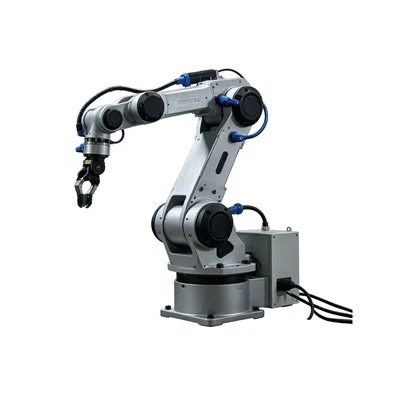
First, start with pre-training prep that’s not just paperwork—because employees tune out fast if you only hand them a 50-page manual. Before any operator touches a machine, they need to understand why the equipment exists, not just how to press buttons. That means pairing a basic overview of your business’s coating goals (like consistent finish quality for automotive parts, or corrosion resistance for industrial machinery) with a breakdown of how automatic spray coating fits into that. Too often, we skip this step: a new hire might memorize a sequence but not realize why they’re adjusting spray pressure for a thin aluminum panel vs. a thick steel beam. I always include a 15-minute “why this matters” chat with each group, using real examples of past mistakes (from our service records, anonymized of course)—like a team that skipped pressure calibration and wasted $2,000 worth of epoxy in a single shift. That context sticks way better than bullet points on a page.
Next, safety training can’t be an afterthought. Automatic spray coating equipment uses flammable solvents, high-pressure lines, and electrostatic charges (if you’re using an electrostatic model, which most modern systems are), so this isn’t just about reading a safety poster on the break room wall. We break safety into two parts: immediate, machine-specific rules, and long-term workplace safety protocols. For immediate machine safety, we walk through lockout/tagout (LOTO) procedures step-by-step—because even an automatic arm can move unexpectedly if a sensor malfunctions, and a finger caught in a spray gun carriage isn’t a hypothetical. I make every trainee practice LOTO on a demo unit until they can do it without looking at a checklist; muscle memory here saves lives. We also cover personal protective equipment (PPE) tailored to their role: air-purifying respirators for anyone near the spray booth, chemical-resistant gloves for line cleaning, and safety goggles that fit under face shields. No exceptions—if a trainee shows up without properly fitted PPE, we pause training until it’s corrected.
Then, hands-on training needs to be progressive, not a one-time crash course. A common mistake we see is operators being told to “watch a demo then try on a real part” — that’s a recipe for errors. Instead, we use a three-stage hands-on approach, starting with simulation before any real materials touch a part. Most modern automatic spray coating systems have a built-in simulation mode that lets operators test programming, pathing, and spray patterns without using paint or solvent. We have trainees work through this mode first: programming a simple, flat metal panel, adjusting spray fan width, gun speed, and atomization pressure. For the first two days, they’re only in simulation—no real materials, no pressure to meet production quotas. This lets them experiment: what happens if you move the gun too slow? Too fast? What if the fan width is too narrow? By the time they touch a real part, they’ve made all the small, avoidable mistakes in a virtual space, not on a batch of expensive workpieces.
Once they’re comfortable with simulation, we move to “dry runs” with plain water (or a water-based test solution) instead of coating material. This is a critical middle step: it lets trainees test the entire spray process, from loading parts into the carousel to programming the arm path, without the risk of ruining a finished product. We time these runs and track consistency: can the operator reproduce the same spray pattern on three consecutive parts? Can they adjust the path to avoid overspray on edges or holes? I’ve seen trainees struggle here even if they aced the simulation—because real parts aren’t perfectly flat, and the carousel can have slight variations in alignment. The dry run phase lasts 3–5 shifts, depending on the trainee’s pace; some pick it up quickly, others need more time, and we never push them to move on before they’re ready.
Finally, when they’re ready for full production runs, we pair each new operator with a “buddy” who’s been trained for at least 6 months—this hands-on mentorship is where real-world problem-solving happens. Automatic spray coating equipment will always have small quirks: a sensor that glitches, a nozzle that clogs, a spray pattern that drifts over time. Our mentorship program focuses on these day-to-day issues: how to unclog a nozzle without damaging it, how to adjust the gun’s height for a curved part, how to spot a weak spray pattern before it ruins a batch. We also set up regular check-ins: a supervisor meets with each new operator after their first production shift, their third, and their first week, to address questions and fix small gaps before they become habits.
But training doesn’t end once an operator is on the job. Automatic spray coating equipment updates all the time—whether it’s new software, a new spray nozzle design, or a safety protocol change—so ongoing training is non-negotiable. We recommend monthly 30-minute refreshers: sometimes it’s a quick demo of a new feature, sometimes it’s a group discussion of recent errors (what went wrong, how to fix it), sometimes it’s a scheduled safety drill. For teams that work with different materials (like switching from solvent-based epoxy to water-based acrylic), we do a dedicated half-day training to adjust pressure, pH levels, and cleanup procedures. This keeps skills sharp and ensures no one is using outdated methods on modern equipment.
One more thing: we tailor training to your specific setup. Not all automatic spray coating systems are the same—some are for small, intricate parts (like consumer electronics components), others for large structural beams. As a spray coating equipment provider, we don’t deliver a one-size-fits-all training manual; we send our field specialists to your site to walk through your exact equipment, your workflow, and your team’s needs. That might mean extra time for operators who work with delicate parts, or a deeper dive into safety for teams handling high-volume, high-pressure production runs. We also include our own technical support team in the training: if an operator has a question about their equipment after we leave, they can reach out directly to someone who knows the machine inside and out, not a generic call center.
At the end of the day, poorly trained operators aren’t just a risk to your business—they’re a risk to your team. By taking a structured, progressive approach to training automatic spray coating equipment, you’ll see less waste (we’ve had customers cut material waste by 25% after implementing this method), fewer safety incidents, and a team that feels confident and skilled on the job. If you’re planning to upgrade your automatic spray coating equipment, or refresh your team’s training, reach out to our specialists to discuss a training plan customized to your operation.
Spray Painting Conveyor Systems References
- Occupational Safety and Health Administration. (2022). Lockout/Tagout: The Basics of Controlling Hazardous Energy. U.S. Department of Labor.
- Society for Manufacturing Engineers. (2021). Training Best Practices for Industrial Automation Equipment. SME Press.
- National Spray Coating Association. (2023). Operational Guidelines for Automatic Spray Systems. NSCA Technical Report Series.
- Occupational Safety and Health Administration. (2021). Personal Protective Equipment (PPE) for Hazardous Materials Handling. U.S. Department of Labor.
Wanyuan Yuanwei Automation Equipment Co., Ltd.
With abundant experience, we are one of the most professional spray coating equipment manufacturers and suppliers in China. Please feel free to wholesale high quality spray coating equipment for sale here from our factory. Good service and punctual delivery are available.
Address: No.392, Wanbai Road, Baisha Town, Wanyuan City, Dazhou City, Sichuan Province
E-mail: wanyuanyuanwei@outlook.com
WebSite: https://www.yuanweiautomation.com/
