As a third-generation dried edible fungi supplier, I’ve spent more than 20 years knee-deep in mushroom fields and warehouse coolers—so when people ask me the trick to keeping homemade dried fungi safe, I don’t rattle off textbook facts. I tell them it’s equal parts old-school know-how, rigorous daily checks, and respect for the tiny, unseen things that can turn a great batch into something harmful. Every customer who buys my dried shiitake, oyster, or morel trusts me to bring a product that’s not just tasty, but safe to cook, store, and eat. Over the years, I’ve learned that safety isn’t a one-step process—it’s a chain, and every link (from the field where the fungi grow to the bag that lands on your shelf) has to be strong. Dried Edible Fungi
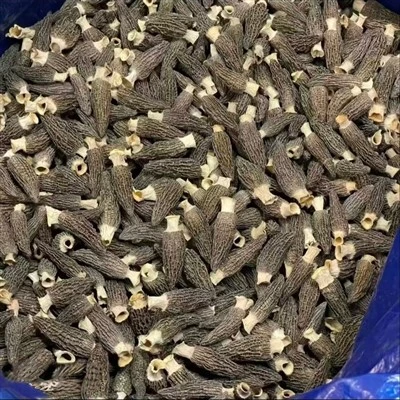
Let’s start with the first link, because you can’t make safe dried fungi from unsafe raw material. I used to buy wild fungi from a few local foragers early in my career, and I quickly learned a harsh lesson: one misidentified toxic mushroom can contaminate an entire batch. Now, all our raw fungi come from certified cultivated farms, with full traceability records for every lot. We require farmers to submit detailed information about growing conditions—soil pH, fertilizer use, pesticide applications, and harvest dates—before we even consider accepting the fungi. We also run third-party lab tests on every incoming lot for heavy metals, microbial contaminants, and pesticide residues. Last year, a farm sent us a shiitake lot that had slightly higher levels of lead than our limit (which is even stricter than FDA standards), and we sent it back immediately. That cost us a small fee, but it saved us from a potential customer complaint down the line. Raw material safety is non-negotiable, because if you start with bad mushrooms, nothing you do later will fix that.
Next, the harvest and pre-drying handling. Timing is everything here. We harvest our fungi at peak maturity—not too young (they don’t have full flavor, and they retain too much moisture) and not too old (they start to break down, and mold can set in before we even get to drying). We also handle the fungi gently to avoid bruising or damaging the caps, because damaged areas are perfect breeding grounds for bacteria. After harvest, we get the fungi into our on-site processing facility within 2 hours. The last thing you want is to let fresh mushrooms sit in a crate at room temperature, where bacteria like E. coli and Salmonella can multiply rapidly. We also sort every lot by hand at this stage, picking out any damaged, discolored, or undersized fungi—even if it would save us a little money to include them. I tell my team: one bad mushroom in a batch of 10,000 is still one too many.
Now, the most critical step: drying itself. A lot of home growers or small producers make the mistake of drying fungi too fast or too slow, and both can lead to unsafe products. If you dry them too quickly on high heat, the outside of the fungi hardens, trapping moisture inside—creating a perfect environment for mold and bacteria. If you dry them too slowly at low temperatures, they can spoil before they’re fully dried. We use commercial dehydrators with adjustable temperature and humidity controls, calibrated to maintain a consistent 135°F (57°C) for shiitake, oyster, and button mushrooms, and 125°F (52°C) for morels (which are more delicate). We also circulate filtered air through the dehydrators 24/7, because stagnant air can cause uneven drying. We test moisture content every 2 hours during the drying process, using a digital moisture meter—we aim for a moisture level of 12% or lower. That’s the sweet spot: too much moisture (over 14%) and the fungi will spoil in storage; too little and they’ll be brittle, but not necessarily unsafe. Last month, we had a lot of chanterelles that took an extra 2 hours to dry to 11.8%, so we left them in for another 30 minutes to reach 12.2%—we’d rather wait a little longer than risk a batch that doesn’t meet our moisture standards.
After drying comes the cooling process, which is another step people overlook. When dried fungi come out of the dehydrator, they’re still warm, and if you bag them right away, the warm air will condense inside the packaging, creating tiny water droplets that lead to mold. We spread the dried fungi on stainless steel trays in a climate-controlled cooling room (kept at 65°F/18°C and 40% humidity) for 4 hours, until they’re completely cool to the touch. We also stir them every hour to make sure they cool evenly. Once they’re cooled, we run them through a sifter to remove any small debris or broken pieces, and then we do a second visual inspection—no one wants to find a small piece of wood or a foreign object in their bag of dried fungi.
Then comes packaging and storage, where we take extra steps to protect the fungi from moisture and contaminants. We use food-grade, airtight, oxygen-barrier bags with a small desiccant packet inside—enough to absorb any remaining moisture, but not so much that it damages the fungi. We also seal the bags using a vacuum sealer, which removes all air (air has moisture and can harbor bacteria). Each bag is labeled with the lot number, harvest date, and expiration date, so we can trace every batch back to its farm of origin if there’s ever a problem. We store the sealed bags in a cool, dry warehouse (kept at 60°F/15°C and 50% humidity), away from direct sunlight and other products that could cross-contaminate. We rotate our stock on a first-in, first-out basis, so older batches are shipped first—no sitting in the warehouse for months on end. Every week, we test a random sample of stored fungi for moisture content and microbial levels to make sure our storage conditions are working.
We also have a strict sanitation program for our entire facility, because even the cleanest fungi can get contaminated if the space they’re processed in is dirty. Our team wears hairnets, gloves, and clean uniforms at all times. We sanitize all equipment (dehydrators, sifters, trays, packaging machines) with food-grade sanitizer after every use. We deep-clean the processing facility every night, mopping floors, wiping down walls, and changing air filters in the dehydrators and cooling rooms monthly. We also test the air quality in our facility weekly for microbial contaminants, just to be sure.
Another big part of safety is education. We don’t just sell dried fungi—we give our customers clear instructions on how to rehydrate and cook them safely. On every package, we print: “Rehydrate in hot water for 20 minutes, then cook for a minimum of 10 minutes at a rolling boil.” We also post these instructions on our website and in our product catalog, because we know that even the safest dried fungi can be unsafe if someone undercooks them. A lot of people think dried mushrooms are “already cooked” when they’re dried, but that’s not true—drying preserves them, it doesn’t kill all harmful bacteria. Cooking them properly is the final step in the safety chain.
Over the years, we’ve had very few safety issues, and most of those were traced back to a customer who undercooked a batch. We address those quickly, by reaching out to the customer to make sure they’re okay and reminding them of our cooking instructions. We also use those incidents to improve our own processes—for example, after one customer had a mild stomach ache, we added a line to our website explaining that some people might be more sensitive to dried mushrooms that aren’t cooked enough, and we now test every lot for residual bacteria before shipping, just to be extra safe.
As a small, family-owned supplier, we can’t compete with big brands on price, but we can compete on trust. Every batch of dried fungi we ship is tested three times: once on arrival, once during drying, and once before packaging. We don’t cut corners, and we don’t take shortcuts. We know that when a restaurant chef or a grocery store buys our fungi, they’re counting on us to deliver a product that their customers will enjoy without any worries.
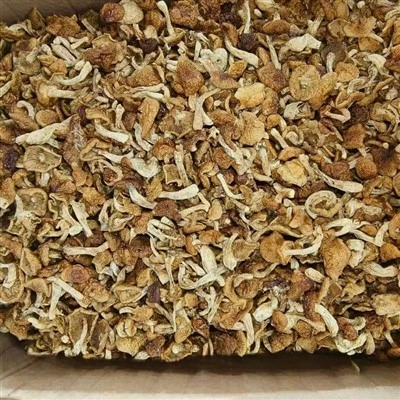
If you’re a restaurant owner, grocery store buyer, or a distributor looking for a reliable, safe source of dried edible fungi, we’d love to show you our facility and share more about our process. We’re always happy to provide third-party lab test results for any batch, and we can customize orders to meet your specific needs. Safety isn’t just a policy for us—it’s a promise, and we stand behind every bag we ship.
Dried Black Fungus & Elm Ear References
- U.S. Food and Drug Administration (FDA). (2022). Food Safety Guidelines for Dried Fruits, Vegetables, and Mushrooms. Retrieved from relevant FDA food safety publications.
- International Society for Fungal Conservation. (2021). Best Practices for Cultivated Edible Fungi Harvesting and Post-Harvest Handling.
- World Health Organization (WHO). (2020). Microbiological Safety of Dried Foods: Fungi and Mushrooms.
- National Food Processors Association (NFPA). (2019). Dehydration Best Practices for Specialty Foods, Including Edible Fungi.
- Journal of Food Protection. (2022). Effects of Drying Conditions on Microbial Safety and Shelf Life of Dried Edible Mushrooms.
Qingyuan Manchu Autonomous County Lichang Native Produce Co., Ltd.
We are one of the most professional dried edible fungi manufacturers and suppliers in China, featured by quality products and good price. Please rest assured to wholesale bulk dried edible fungi for sale here from our factory. Welcome to view our website for more information.
Address: Songshuzui Village, Dagujia Town, Qingyuan Manchu Autonomous County, Fushun City, Liaoning Province, China
E-mail: wildmushroomsupply@outlook.com
WebSite: https://www.wildmushroomsupply.com/
