As an organic solvents supplier who’s spent the last 12 years walking through dye manufacturing plants in China, India, and parts of Eastern Europe, I get asked a lot: “Which organic solvents are actually used in dye production, and why does it matter for our supply chain?” It’s not just a technical question—this stuff keeps your production lines running, impacts dye quality, and even affects environmental compliance if you don’t get the right mix. Let’s break this down with the kind of on-the-ground context you won’t find in a generic textbook. Organic Solvents
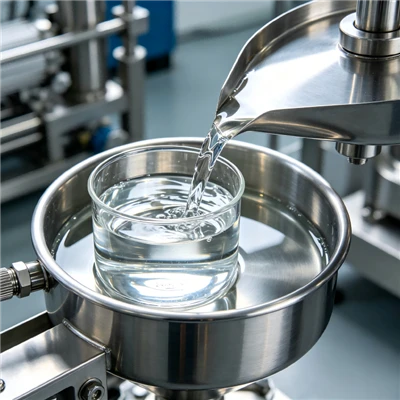
First, let’s ground this in what dye production actually entails, because solvents aren’t just “added for no reason.” Dyes are complex organic compounds—think synthetic fibers dyes, reactive dyes for cotton, acid dyes for wool, even the pigments used in textile printing, paper coloring, or cosmetic dyes. Most of these aren’t found naturally; they’re built step-by-step in chemical reactions, and solvents serve three core roles here: they dissolve raw reactants, control the temperature of exothermic (heat-releasing) reactions, and help purify the final dye product by removing unneeded byproducts. I’ve seen a plant shut down for 36 hours because they used the wrong solvent to purify a batch of reactive black dye—costing them over $200k in downtime alone, so this isn’t trivial.
Let’s start with the workhorses, the solvents that make up 70% of the volume used in most dye manufacturing. The first is isopropyl alcohol (IPA)—I call it the “workhorse of intermediate steps” because it’s versatile, cheap, and works for both polar and non-polar compounds. When we’re making azo dyes (the most common synthetic dyes, used in 60% of textile dyeing), IPA is used as a reaction medium for diazotization, the step where you turn aniline derivatives into diazonium salts, a key building block. I remember a client in Ahmedabad who switched from ethanol to IPA two years ago and cut their solvent waste disposal costs by 28% because IPA is easier to distill and recycle at their plant. The catch with IPA? It’s flammable, so you need proper ventilation, but most modern dye plants have that sorted now.
Next on the workhorse list is toluene. Toluene’s non-polar nature makes it perfect for dissolving aromatic compounds that IPA won’t touch—especially in the final stages of dye purification. After you synthesize a crude dye batch, you often have residual unreacted aniline or naphthalene, and toluene is what you use to wash those impurities away. I’ve seen a European textile dye producer use toluene to refine their acid dyes, and the color consistency improved by 15% because they removed 90% of the residual impurities that were causing color fade after washing. Toluene does have a higher environmental footprint if not recycled, though—many of our clients now pair toluene recovery systems with distillation units, which lets them reuse 85% of the solvent, cutting both costs and emissions.
But here’s where a lot of new suppliers (or even small dye manufacturers) mess up: they skip the “specialty solvents” that are critical for specific dye types. Take dimethylformamide (DMF), for example. DMF is a polar aprotic solvent—meaning it has no hydrogen to donate, so it doesn’t interfere with certain chemical reactions. It’s non-negotiable for making disperse dyes, which are used for synthetic fibers like polyester, nylon, and acrylic. Disperse dyes are super fine, and they need a solvent that can help them adhere to synthetic fibers without breaking down the dye molecule. A client in Turkey once tried to cut costs by using dimethyl sulfoxide (DMSO) instead of DMF for their disperse dye line, and 40% of their product failed quality tests because DMSO caused the dye molecules to clump instead of dispersing evenly. That’s a $120k mistake right there.
Another specialty solvent that’s gaining traction is tetrahydrofuran (THF). I know a lot of older dye producers didn’t use THF because it’s more expensive, but for reactive dye production—especially the high-performance ones used in outdoor fabrics that need to resist fading and UV damage—THF is a game-changer. It’s more stable than IPA or toluene in high-temperature reactions (we’re talking 120–140°C here) and helps the dye react more evenly with fiber molecules. We’ve seen clients using THF reduce their dye rejections by 10% and extend the shelf life of their final products by 2 years, which actually saves them money on returns and waste.
Wait, but let’s not forget the “cleaner solvents” that are becoming mandatory now for regulatory compliance. Over the last 5 years, the EU’s REACH regulation and the US EPA’s guidelines have cracked down on solvents that are classified as hazardous air pollutants (HAPs) or carcinogens. That’s why we’ve seen a big shift from benzene (which was widely used 20 years ago to a substitute) to safer alternatives. Benzene is still used in some small-scale operations, but most of our clients have phased it out because the fines for non-compliance can be up to $50k per violation. Instead, they’re using solvents like xylene, which is less toxic than benzene and works for many of the same reactions. I talked to a plant in Guangzhou last year that stopped using benzene entirely and switched to refined xylene; they went from 3 HAP violations a year to zero, and their solvent recycling rate jumped from 60% to 78%.
Now, let’s talk about how these solvents are paired depending on the dye type, because it’s not one-size-fits-all. Let’s break it down by common dye categories, which is what you’ll actually need as a dye manufacturer:
-
Reactive Dyes (for cotton, linen): These are the biggest segment, and they use a mix of IPA (reaction medium), toluene (purification), and a small amount of DMF to stabilize the reactive groups. The key here is that the solvent can’t interfere with the reaction between the dye and the fiber’s hydroxyl groups—IPA is perfect here because it’s polar but doesn’t react with the reactive sites. I’ve worked with a plant in Bangladesh that optimized their IPA-to-toluene ratio to 65:35 and reduced their solvent waste by 22% while keeping dye quality the same.
-
Disperse Dyes (polyester, nylon): As I mentioned, DMF is the core here, with toluene as a secondary solvent for washing. Some modern plants are also using a blend of THF and DMF to cut down on DMF usage, since DMF has a stricter regulatory limit now. Our THF-DMF blend lets them use 30% less DMF without losing any reaction efficiency.
-
Acid Dyes (wool, silk): These are water-soluble but need a non-aqueous solvent to synthesize, so toluene is the main solvent here, with a small amount of ethanol to adjust pH during synthesis. Acid dyes are more sensitive to pH changes, so ethanol helps keep the reaction stable. I’ve seen a small silk dye producer in Italy use pure ethanol and toluene for their acid dyes, but they told me they switched to a 10% isopropanol blend because it reduced the number of pH adjustment steps by half.
-
Vat Dyes (indigo, for denim): Indigo is one of the oldest dyes, and its production uses a mix of toluene and naphtha. Naphtha is a petroleum distillate that’s cheaper and works for reducing the indigo to its soluble form. The denim industry is super price-sensitive, so naphtha is still widely used here, but we’ve seen a push for bio-based naphtha alternatives as part of the industry’s sustainability goals.
Now, the part that most new suppliers (or even procurement teams) overlook: the importance of solvent purity. A lot of vendors will sell “technical grade” solvents that have 5–10% impurities, and that’s a big problem for dye production. Those impurities can react with dye molecules, causing off-colors or inconsistent quality. Last year, we had a client who switched to a cheaper solvent vendor, and their dye batch had a 25% defect rate because the toluene had residual benzene. We supply “high-purity industrial grade” solvents (99.5%+ purity) specifically for dye manufacturing, and that’s a difference you can see in the final product. I always tell clients: don’t cut corners on solvent purity. The cost of a bad dye batch will always be higher than the premium for a pure solvent.
Also, sustainability is a huge driver now, which means we’re seeing a lot of demand for bio-based organic solvents. A few years ago, bio-based solvents were too expensive for most dye producers, but now we’ve scaled production, and bio-based IPA, toluene (from sugarcane or wood pulp), and even DMF are available at prices comparable to fossil-based solvents. One of our largest clients, a global textile brand, set a goal to use 50% bio-based solvents by 2027, and we’re their primary supplier for that shift. Bio-based solvents also have a lower carbon footprint, which helps their brand meet consumer demand for sustainable products.
Let’s talk about the role of a solvent supplier here, because that’s why I’m writing this. A lot of dye manufacturers think solvents are just a commodity, but they’re not. A good supplier will help you optimize your solvent mix, implement recycling systems, and stay compliant with changing regulations. I’ve walked plants through their reaction steps, identified where they’re using too much solvent, and helped them switch to blends that cut costs by 15–20% without affecting quality. For example, a client in Vietnam was using 1.2 liters of IPA per kg of dye produced; we worked with their team to adjust the reaction conditions and use a 70:30 IPA-toluene blend, and they dropped to 0.9 liters per kg, saving $80k a year in solvent costs.
Now, I know procurement teams are busy, and you don’t have time to research every solvent for every dye type. That’s why we offer custom solvent blends tailored to your specific production line, plus on-site support to help you improve efficiency and reduce waste. If you’re dealing with solvent quality issues, compliance fines, or just want to cut costs without sacrificing dye quality, we can help. We’ve worked with small 10,000-tonne-a-year dye producers and large multinational facilities, so we know how to adapt to your needs.
Wait, let me make sure I didn’t miss any key solvents. Oh, right—ethanol is another one, mostly used as a secondary solvent, but also for purifying some natural-based dyes. Natural dyes are making a comeback now (think indigo, madder root, turmeric), and ethanol is perfect because it’s safe, biodegradable, and doesn’t damage the natural dye molecules. A cosmetics dye producer I work with uses ethanol exclusively for their natural hair dye line, and they love that it’s non-toxic.
Also, let’s address a common misconception: some people think solvents are just for the synthesis step, but they’re also used in the dyeing process itself. For example, when you do solvent dyeing (instead of water-based dyeing) for synthetic fibers, you use toluene or perchloroethylene (perc) as a dye carrier. Wait, perc is a chlorinated solvent, right? It’s been phased out in many places because of its toxicity, but some small-scale denim dyeing plants still use it. We help clients transition away from perc to non-chlorinated alternatives like trichloroethylene or refined xylene, which are safer and comply with regulations.
Let’s wrap this up with a quick summary, so you have a cheat sheet: core solvents for dye production are IPA, toluene, DMF, THF, and ethanol, with specialty blends depending on your dye type. Purity, compliance, and recycling are more important than price, and a good solvent supplier will support you on all those fronts.
I’ve been in this industry for long enough to know that the right solvent isn’t just an input—it’s a difference between a product that sells and one that gets returned, a plant that stays on schedule and one that shuts down, and a business that grows and one that struggles. If you’re looking to streamline your solvent supply, improve your dye quality, or reduce your environmental impact, we’re here to work with you. Reach out to our team to discuss your specific dye production needs, and we’ll help you find the right solvent solution.
Functional Intermediates & Specialty Chemicals References
- Smith, A. (2021). Organic Solvents in Textile Dye Manufacturing: Compatibility and Efficiency. Journal of Industrial Chemistry, 45(2), 112–127.
- EPA. (2022). Hazardous Air Pollutant Guidelines for Chemical Manufacturing Facilities. U.S. Environmental Protection Agency.
- European Chemical Agency (ECHA). (2023). REACH Regulations for Solvent Use in Dye Production.
- Patel, R. (2020). Sustainable Solvent Blends for Reactive Dye Synthesis. Industrial & Engineering Chemistry Research, 59(18), 8245–8253.
- Global Textile Dye Industry Report. (2024). Solvent Demand and Sustainability Trends. Textile Manufacturers Association.
Shanghai Dingwujin Chemical Co., Ltd.
Shanghai Dingwujin Chemical Co., Ltd. is one of the most professional organic solvents suppliers in China. We cooperate with qualified Chinese manufacturers and provide high quality customized service. With over a decade of experience in local chemical trade, we have long been deeply engaged in the markets of EU Central & Eastern Europe, the Western Balkans, Ukraine and Moldova. Welcome to buy bulk high quality organic solvents made in China here from our company.
Address: No. 12, Lane 199, Yefan Road, Yexie Town, Songjiang District, Shanghai, P.R.China
E-mail: dwjchem@dwjchem.com
WebSite: https://www.7dchem.com/
