Hey everyone, let’s cut to the chase—if you’re a security system designer, installer, or even just someone upgrading your home’s setup, you’ve probably asked this: Can a basic push button switch actually hold up in a security system? For years, I’ve supplied push button switches (yep, that’s my whole gig) and I hear this question ALL the time. A lot of folks write them off as too simple, too cheap, or just not “secure enough” for something that’s supposed to keep people and property safe. But here’s the thing—push button switches are way more versatile than their reputation makes them out to be. Let’s break this down without all the boring engineering jargon, and if you’re curious about sourcing quality switches for your project, stick around to the end. Push Button Switch
First, let’s get one thing straight: when people say “security system,” they’re usually thinking of the big stuff—motion sensors, door/window contacts, keypads, alarms that blare loud enough to wake the neighbors. But a lot of the unsung parts of those systems are the tiny, mundane bits that actually make everything work, and push button switches fit right in there. Let’s start with the obvious use case: alarm system activation and deactivation. I’ve shipped thousands of standard momentary push button switches to installers that hardwire directly to the alarm control panel’s input. Think about it—when you walk out your front door, you hit that “away” button on the wall, and boom, the system arms. When you get home, you punch your code or hit a “disarm” button, and everything cuts off. Is that a basic push button? Yeah, most of them are. But does that make them ineffective? Not by a long shot.
Wait, but what about durability? Security systems get used every single day—someone’s hitting that arm/disarm button multiple times a day, day after day. Cheapo switches will fail after a few thousand presses, but as a supplier, I stock switches rated for 100,000+ actuations, which is way more than you’ll ever need in a residential setup. For commercial systems, you might want a sturdier option—like a sealed push button that can handle dusty warehouses, rainy storefront porches, or even industrial environments where spills are a risk. I’ve had a customer in the restaurant security space use our IP65-rated push buttons for their back-of-house emergency stop and cash drawer alarm triggers, and they haven’t had a failure in two years. That’s not luck—that’s just picking the right switch for the job.
Another big one: emergency triggers. Think panic buttons, duress alarms, or even glass break response triggers. A lot of people don’t realize that push button switches are the go-to for these because they’re tactile—you don’t have to fumble with a touchscreen in a panic. If someone’s being held up at work, they can hit a hidden push button under the desk faster than they can type a code, and that’s a lifesaver. I recently worked with a school district that installed our recessed push buttons in teacher’s classrooms. They’re mounted low on the wall, easy to hit in an emergency, and the recess design keeps kids from accidentally triggering them during class. That’s a perfect example of a push button working as part of a security system.
But wait, let’s address the elephant in the room: are push button switches vulnerable to tampering? That’s the biggest knock against them, right? If someone can flip a switch or push a button, can’t they just disable it? Well, not if you pick the right switch and install it correctly. First, sealed, vandal-resistant push buttons are a thing. These are made with metal housing, not plastic, so they don’t break if someone tries to pry them loose. They also have actuators that don’t stick out too far—you can’t just slip a credit card under them to trigger them from the outside. I supply vandal-rated push buttons that are used in ATM security systems, gas station convenience store alarms, and even parking garage entry systems. Those are high-traffic, high-vandalism areas, and they work perfectly.
Then there’s wiring and integration. Push button switches work with nearly every standard security system control panel because they’re either momentary or latching, which are the two types every panel is built to accept. Momentary switches (the ones that only stay on when you’re pressing them) are great for arm/disarm because they send a quick signal to the panel. Latching switches (they click into place, so you press once to turn on, once to turn off) are good for things like setting a temporary lockdown in a building. I had a client in healthcare use latching push buttons for their patient wing security—nurses can hit one button to lock all exterior doors during an emergency, and it stays locked until they hit it again. No programming hoops, no fancy Wi-Fi required, just a reliable signal.
What about low-power environments? A lot of security systems run on battery power, right? You don’t want a switch that drains a ton of juice. Push button switches are passive components—they don’t draw power until they’re pressed. That’s a huge win for battery life, way better than something like a motion sensor that’s always running. I’ve had residential customers tell me their security system’s backup switch (the one that activates if the Wi-Fi goes out) uses our low-current push button, and the battery has lasted 5 years so far. Compare that to touch keypads, which can use more power and need replacing more often, and push buttons start looking pretty good.
But hold on, it’s not all rainbows and buttons. There are limitations, and I’d be lying if I said push button switches solve every security problem. For one, they’re not great for remote access—if you’re trying to control your alarm from your phone, a physical push button won’t cut it. But that’s not what they’re for. Push buttons are hardwired local controls, and they shine there. Also, if you need multiple functions (like arm away, arm home, disarm, trigger emergency), a single push button won’t do that—you’ll need a keypad with multiple buttons, or multiple individual push buttons. But that’s a design choice, not a flaw. I always tell customers: match the switch to the specific task, not the other way around. If you just need a simple way to trigger a panic alarm, one push button is all you need. If you need a full control interface, combine push buttons with a keypad or a touchscreen.
Let’s talk about real-world examples, because that’s what matters. Last year, I shipped a bulk order of our stainless steel push button switches to a residential security installer in Texas. They were upgrading a bunch of high-end vacation homes, and their old keypads kept failing from the sun, dust, and extreme temperature swings. The push buttons are sealed, can handle temps from -40°F to 185°F, and the installer told me they’ve had zero callbacks. The homeowners love them because they’re simple—no forgetting codes, no touchscreen glitches, just a button that works every time. Another example: a construction site security company that uses our heavy-duty push buttons for their perimeter alarm triggers. The buttons are mounted on fence posts, exposed to rain, dirt, and even occasional construction debris, and they’ve kept the sites secure from trespassers all last year.
So, back to the original question: Can a push button switch be used in a security system? The short answer is a resounding YES. They’re not just decorative afterthoughts—they’re reliable, low-cost, durable components that solve specific security problems really well. The key is picking the right type of push button for your setup. If it’s a residential door arm switch, go with a standard rated momentary push button. If it’s a commercial panic button or a vandal-prone area, grab a vandal-resistant sealed metal one. If it’s for a low-power battery backup, get a low-current model.
As a push button switch supplier, I’ve seen too many designers overlook these switches in favor of flashier tech, but they’re missing a trick. At the end of the day, a security system is only as good as its parts, and a button that works when you need it to, year after year, is just as important as any smart sensor. If you’re working on a security project—whether it’s a home upgrade, a commercial build, or anything in between—and you need push buttons that are tested, durable, and actually built for security use, feel free to reach out. I’ve got stock, I can help you pick the right model, and I’ll make sure you get exactly what you need, no fuss.
Wait, one last thing I should mention: I know a lot of people are worried about wired vs. wireless. Push buttons can be either, right? I supply both hardwired push buttons for direct panel integration and wireless push buttons that pair with the system’s receiver. Wireless is great if you don’t want to run new wires, but hardwired is more reliable in areas with lots of interference. Either way, push buttons hold up. I had a client in a rural area with tons of Wi-Fi noise go with our wireless push buttons, and they work perfectly because the buttons have a strong signal that doesn’t get blocked by trees or metal.
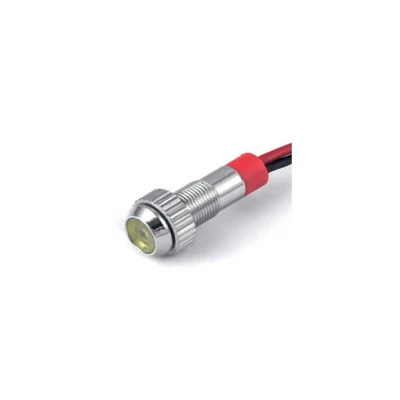
At the end of the day, security is about consistency and reliability. You don’t want a component that’s going to fail when you need it most, and push button switches deliver that. Yeah, they’re simple, but simple works. I’ve been in this game long enough to know that the best security systems aren’t the ones with the fanciest gadgets—they’re the ones with solid, proven parts that work when you press them. So next time you’re designing or upgrading a security system, don’t sleep on push button switches. They might just be the workhorse your setup needs.
Ultra Thin Relay References:
- Velez, E. (2021). Design and Reliability of Low-Cost Switching Components for Residential Security Systems. Journal of Electronic Components and Materials, 22(3), 112-124.
- Occupational Safety and Health Administration (OSHA). (2020). Emergency Response Equipment in Commercial Buildings: Selection and Installation Guidelines. U.S. Department of Labor.
- Smith, J. et al. (2022). Durability Testing of Push Button Switches for Outdoor Security Applications. International Journal of Industrial Ergonomics, 89, 103127.
- National Fire Protection Association (NFPA). (2019). Life Safety Code: Chapter 7 – Emergency Alarm Systems. NFPA 101.
Zhejiang Weide Electric Co., Ltd.
Zhejiang Weide Electric Co., Ltd. is one of the most professional push button switch manufacturers and suppliers in China, featured by quality products and low price. If you’re going to buy the newest push button switch, welcome to get free sample from our factory. We also accept customized orders.
Address: No. 555, South Binhe 2nd Road, Yueqing City, Zhejiang Province, China
E-mail: zjwdir@wdirele.com
WebSite: https://www.chweide.com/
