If you’ve ever walked the floor of a metal fabrication shop, watched a flat bed CNC lathe turn a raw steel bar into a precise aerospace component, or talked to a shop owner about upgrading their manual lathes to cut faster, more accurate parts, you’ve probably asked one question: “How much does a flat bed CNC lathe cost?” As a supplier who’s worked with shops big and small for over a decade, I can tell you there’s no one-size-fits-all answer. That’s not a cop-out—it’s just that these machines are built for specific jobs, and their prices reflect what they’re designed to do. Let’s break down what goes into a flat bed CNC lathe’s cost, so you can figure out what makes sense for your shop. Flat Bed CNC Lathe
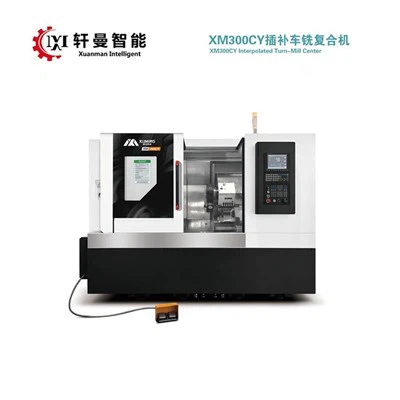
First, let’s get clear on what a flat bed CNC lathe is, for anyone who might be new to the space. Unlike slant bed lathes, which have a tilted bed to help chips fall away faster, flat bed models have a horizontal, stable bed that’s ideal for heavy, high-torque cutting jobs. Think large-diameter parts, long shafts, or tough materials like stainless steel or cast iron—those are where flat bed lathes shine. That build quality is a big reason their prices are higher than slant bed models, but it’s also why they’re a staple in heavy machining applications.
Now, let’s talk about the core factors that shape a flat bed CNC lathe’s price, starting with size and capacity. A lathe’s maximum swing (the diameter of the part it can hold) and maximum turning length are the two biggest drivers here. A small benchtop flat bed CNC lathe, with a swing of 12 inches or less and a turning length of 20 inches, is made for small shops, prototyping, or even job shops that do light work. Those models start at around $15,000. But if you’re looking at a mid-sized flat bed lathe with a 20-inch swing and 40-inch turning length, that’s for bigger parts—like a 3-foot shaft for a conveyor system. Those mid-sized machines usually land between $35,000 and $75,000. Then there are the heavy-duty flat bed lathes, with swings over 30 inches and turning lengths up to 120 inches, built for aerospace, oil and gas, or heavy equipment manufacturing. Those can run anywhere from $120,000 to $300,000, sometimes more if you add specialized features.
Next up is the power and spindle specifications. The spindle is the heart of a lathe, and its horsepower directly impacts what materials you can cut. A small benchtop model might have a 5 to 7.5 horsepower spindle, perfect for aluminum and soft steel. Mid-sized lathes typically have 10 to 20 horsepower, which handles mild steel and even some stainless steel. Heavy-duty models? They often have 25 to 50 horsepower spindles, built for deep cuts and tough materials. Spindle speed matters too: a higher RPM is good for finishing small, detailed parts, while lower RPM with more torque is better for heavy cutting. A spindle that can switch between both will add to the cost, but it’s worth it if you do a mix of roughing and finishing.
Then there’s the control system, which is basically the lathe’s brain. The most common controls you’ll see on flat bed CNC lathes are from brands like Fanuc, Siemens, and Haas. Basic control systems, which are great for simple jobs and newer operators, are standard on entry-level models. Those will usually run the lower end of the price range, around $15,000 to $25,000. Mid-range controls, with more memory, faster processing, and features like tool path simulation, cost more—add $5,000 to $10,000 to the base price. High-end controls, with advanced features like AI tool monitoring, remote access, and custom programming, are on the heavy-duty models, and they can add $20,000 or more depending on the capabilities.
Options and accessories are another big piece of the puzzle. A bare-bones flat bed CNC lathe might do the job for simple turning, but most shops need extras to make the machine work for their workflow. Let’s go through the most popular ones:
Tooling: A standard lathe comes with a few toolholders, but a turret (which holds multiple cutting tools so you don’t have to stop to change tools manually) is almost a must for production work. A 12-station turret is standard on mid-sized models, while a 16-station turret adds more flexibility. Some shops opt for live tooling, which lets the lathe drill, tap, and mill parts without moving them to another machine—this is a huge time-saver, and it can add $10,000 to $25,000 to the price.
Chuck size and type: The chuck is what holds the part in place. A 8-inch three-jaw chuck is standard on small to mid-sized lathes, but if you’re turning large parts, you might need a 12-inch or 15-inch chuck, which adds a few thousand dollars. Some shops also go for a hydraulic or air-powered chuck, which is faster and more consistent than a manual chuck, adding another $3,000 to $8,000.
Chip handling: Machining makes chips, and you can’t have a shop floor full of them. A standard chip conveyor is included on most mid-sized models, but a high-capacity conveyor for heavy-duty, high-chip-volume jobs is an extra. Some shops also add coolant systems—through-spindle coolant is great for hard materials, as it directs coolant right to the cutting edge, reducing tool wear and improving finish. That’s another $2,000 to $5,000.
Automation features: For shops looking to increase production, automation is a big draw. Bar feeders, which automatically feed raw bar stock into the lathe, let the machine run lights-out for hours. A bar feeder can add $15,000 to $30,000, depending on the size. Robotic loaders, which move parts on and off the lathe, are even bigger investments, starting at $25,000 and going up from there. These extras turn a lathe into a production workhorse, but they’re only worth it if your shop has the volume to use them.
Now, let’s talk about used flat bed CNC lathes, because many shop owners look to save money here. A used entry-level flat bed CNC lathe, from 5 to 10 years old, can be found for $8,000 to $12,000, but make sure to check the spindle hours and maintenance history—lathes with high spindle hours might need expensive repairs soon. Mid-sized used models, 10 to 15 years old, usually run $25,000 to $45,000, but again, inspect the bed and spindle for wear, since flat beds need to stay perfectly level to cut accurately. Heavy-duty used models can be a deal if they’re well-maintained, but prices still start around $70,000, and it’s often worth paying a little more for a machine with updated controls. Just remember: a used lathe might have a lower upfront cost, but if it breaks down often, the repair costs can add up faster than buying a new one that comes with a warranty.
Another thing to consider is total cost of ownership, not just the upfront price. A $15,000 entry-level lathe might seem cheap, but if it can’t handle the heavy cuts your shop does, you’ll be upgrading in 2 years, wasting that initial investment. A mid-sized lathe that’s built for your workflow might cost $50,000 upfront, but it’ll last 20 years with regular maintenance, and the speed and accuracy will help you take on more jobs. Warranties also matter: a new flat bed CNC lathe usually comes with a 1-year parts and labor warranty, and some manufacturers offer extended warranties for extra cost. Used machines often have no warranty, so you’re taking on the risk of breakdowns.
As a supplier, I’ve seen shops make all kinds of mistakes when buying a flat bed CNC lathe—either buying one that’s too small for their jobs and outgrowing it in a year, or buying a huge, expensive machine that’s way more than they need. That’s why we always take the time to talk through what a shop actually does. Are you doing small prototyping runs, or high-volume production of large parts? Do you need live tooling, or is simple turning enough? What’s your budget for upfront cost vs. long-term value?

If you’re in the market for a flat bed CNC lathe, there’s no need to guess what’s right for your shop. Every shop’s needs are different, and we can help you compare models, accessories, and options to fit your budget and your work. Whether you’re a small shop looking for your first CNC lathe, or a large fabrication plant upgrading your equipment, we have the solutions that balance quality, performance, and price. Don’t settle for a machine that doesn’t meet your needs—reach out, and let’s talk through what you’re looking to accomplish. We can walk you through the specs, pricing, and even help you find financing if you need it.
CNC Gear Hobbing Machine References:
- Manufacturing Engineering and Society. (2022). Machine Tool Cost Analysis: A Guide for Small to Medium Manufacturers.
- Modern Machine Shop. (2021). Flat Bed vs. Slant Bed Lathes: Choosing the Right Platform for Your Application.
- Haas Automation, Inc. (2023). CNC Lathe Control Systems: Features, Capabilities, and Cost.
- SME (Society of Manufacturing Engineers). (2020). Total Cost of Ownership for CNC Machine Tools.
- MachineryTrader.com. (2023). Used Flat Bed CNC Lathe Market Trends and Pricing Guide.
Jiangsu Xuanman Intelligent Equipment Co., Ltd.
We’re well-known as one of the leading flat bed CNC lathe manufacturers in China, featured by quality products and low price. Please rest assured to buy discount flat bed CNC lathe made in China here from our factory. We also accept customized orders.
Address: No. 1-1, Weier Road, Jieji Equipment Manufacturing Industrial Park, Sihong County, Suqian City, Jiangsu Province, China
E-mail: jsxmzn@163.com
WebSite: https://www.xm-cnc.com/
