As a sports water bottle supplier, I get asked this question at least once a week—usually from a gym owner looking to reduce their single-use plastic footprint, a parent of a teen who’s begging for a “recyclable” bottle, or a fellow industry peer stressing over how to market our products without greenwashing. The short answer isn’t a simple yes or no, and it’s not the kind of vague, easy-to-swallow line brands often use to check a sustainability box. Let me break this down like I do when I’m walking a customer through our own bottle lines—with real science, real industry pain points, and what this actually means for anyone buying, using, or selling reusable sports water bottles. Sports Water Bottle
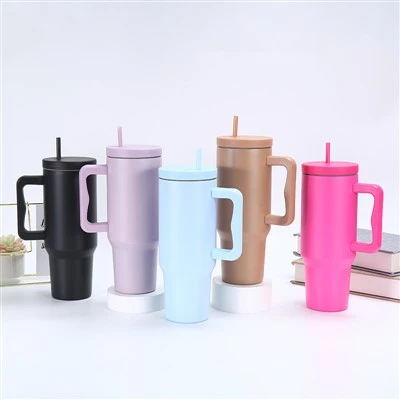
First, let’s cut through the terminology you might see on a bottle label or recycling bin. Most standard reusable sports water bottles (the kind we manufacture for gyms, marathon teams, and everyday active users) are made from one of three plastics: high-density polyethylene (HDPE), polyethylene terephthalate (PET), or polypropylene (PP). Each has a different SPI (Society of the Plastics Industry) resin code, usually printed on the bottom—numbers 1, 2, or 5, respectively. None of these are universally recyclable, and that’s where the confusion starts.
I used to think all plastic was created equal, too, until a recycling coordinator friend of mine sat me down last year and explained how the U.S. recycling system actually works. Curbside recycling programs, which are the ones most people use at home, only accept a small subset of these resins. PET (number 1) is the gold standard for curbside recyclability—about 85% of U.S. cities accept it, mostly because it’s easy to process into new products like fleece jackets, carpeting, or even new water bottles. But HDPE (number 2) is only accepted by around 60% of programs, and PP (number 5) is the trickiest—less than 30% of curbside programs will take it, because it’s more prone to melting during processing and doesn’t mix well with other plastics. Our insulated stainless steel-lined bottles, which are super popular for long runs or outdoor sports, add another layer: many people think the metal inside ruins the plastic, or that the insulation makes it non-recyclable. Here’s the truth: the plastic outer shell of insulated bottles is usually one of the three resins I mentioned, and the metal liner is recyclable on its own. The problem is that most curbside programs can’t separate the two, so you have to take insulated bottles to a specialized plastic-metal recycling center—something most users don’t know.
That’s the first big myth I push back on, as a supplier: just because a bottle is labeled “recyclable” doesn’t mean it actually will be recycled when someone tosses it in the bin. Greenwashing has gotten so prevalent that some brands slap a tiny recycling symbol on a bottle without doing the work to make it part of a closed-loop system. For example, a few years back, we had a competitor try to market a “100% recyclable” sports bottle that was made of number 6 polystyrene (PS)—styrofoam plastic, basically. Almost no curbside program takes PS, and it’s one of the least recycled plastics in the world. We refused to carry that line, even though it was cheaper, because I knew it would end up in a landfill. That’s not sustainable, and it’s not the kind of product we want associated with our brand.
Now, let’s talk about single-use plastic sports bottles, which are the other end of the spectrum. These are the ones you grab at a gas station or stadium for $1, and they’re almost always PET (number 1). On paper, they’re highly recyclable—we recycle millions of tons of PET every year in the U.S., right? But here’s the catch: only about 30% of PET bottles actually get recycled. The rest end up in landfills, incinerated, or leaked into the environment as microplastics. Why? A lot of people rinse their bottles and toss them, but small residue of sports drink, juice, or even just saliva can contaminate the load, making the whole batch unprocessable. And even when they do get recycled, PET bottles are downcycled into lower-value products, not new bottles—because the current recycling process can’t remove the dyes, additives, and residue that build up over time. That means a PET water bottle might become a park bench, but not another water bottle. That’s a key point I make to customers: reusable bottles, if designed right, can be part of a closed-loop system, whereas single-use ones can only ever be downcycled, at best.
So what can we as suppliers, and our customers, do to make sure these bottles actually get recycled, instead of sitting in a landfill? For our part, we’ve spent the last two years reengineering our line of reusable sports bottles to be as easy to recycle as possible. All our new bottles are made from number 5 polypropylene, because even if curbside programs don’t widely accept it now, it’s the only major plastic that can be infinitely recycled into the same product without losing quality. We also stopped adding any dyes or additives to the plastic, because those make processing harder. And we’ve partnered with a specialized recycling network that takes our used bottles when customers are done with them, no matter where they bought them—we even cover the shipping for bulk returns, so gyms and event organizers don’t have to pay to send their old bottles in.
But here’s the thing: even the best-designed bottle won’t get recycled if the system isn’t set up to handle it. I’ve talked to dozens of city recycling managers who say their biggest problem is contamination, and low demand for certain plastics. For example, many programs don’t accept PP because there’s not a big market for recycled PP products. That’s why we’ve started working with a local manufacturer that turns our recycled PP into new bottle parts, creating a local closed loop that cuts down on transportation emissions and makes the recycled product valuable. If we can get more suppliers, manufacturers, and cities to work together on that kind of local loop, we can make a real difference.
I also get a lot of questions from people who say, “Why bother with recyclable bottles if recycling doesn’t work?” That’s a valid point. The best thing anyone can do is use a reusable bottle over and over—extending the lifespan of a single product by even a year cuts its carbon footprint by more than 90% compared to using single-use bottles. But at some point, every bottle reaches the end of its life. When that happens, we owe it to the planet to make sure it doesn’t just become waste. That’s why we don’t just market our bottles as “recyclable” in a vacuum—we back that claim with a take-back program, clear instructions on how to recycle them, and transparency about where the recycled material goes.
A few months ago, we had a marathon organizer reach out to us because their 2023 event left 15,000 single-use water bottles that they didn’t know what to do with. Most of those had been tossed into landfills because the local recycling program couldn’t process them. We worked with them to set up a take-back station at their 2024 event, and since our reusable bottles are also available for event giveaways, they decided to switch to reusable for 2024 and beyond. That’s the kind of impact we’re after—convinced people that recyclable isn’t enough, but building a system that actually closes the loop is.
I should also address a common misconception about “recyclable” labels on product packaging. The Federal Trade Commission (FTC) has guidelines for green marketing, but a lot of brands still use vague language that misleads consumers. For example, a bottle that’s only recyclable at specialized facilities can’t legally be marketed as “curbside recyclable.” We make sure all our packaging and marketing clearly states which resin code our bottles use, what programs accept that resin, and what to do if there’s no program in the user’s area. No fine print, no confusing jargon—just clear, honest information.
Another thing we’re seeing as a supplier is that demand for truly sustainable bottles isn’t just a trend—it’s a requirement. Gyms, universities, and sports teams are increasingly being held accountable for their waste, and they’re looking for suppliers that can back up their sustainability claims. A lot of competitors cut corners by using cheap plastic that’s hard to recycle, but we’ve built our business on being transparent about what we can and can’t do. If a customer asks, “Is this bottle recyclable?” I’ll never say a flat yes or no. I’ll say, “It’s made of PP, which 28% of U.S. curbside programs accept, and here’s how you can check your local program, plus here’s our take-back program if your area doesn’t have one.” That’s the kind of trust that builds long-term relationships, not just one-off sales.
So to circle back to the original question: Are plastic sports water bottles recyclable? The answer is “it depends,” but that’s not a bad thing. It means we have control over the outcome. We can design bottles that are made from recyclable resins, we can work to expand recycling programs that accept those resins, and we can give users the tools to actually recycle their bottles when they’re done with them. As a supplier, that’s what we’re focused on—not just selling a product, but creating a system where every bottle we make has a second life, and a third, and so on.

If you’re a gym owner, event planner, or retailer looking for a sports water bottle supplier that prioritizes real recyclability, transparent practices, and products that stand up to active use, we’re here to help. We can walk you through our product lines, our take-back program, and how to integrate a sustainable bottle program into your organization. We believe that every step toward reducing plastic waste starts with choosing the right product, and partnering with a supplier that’s invested in doing the work, not just talking about it.
Coffee Cup References
- Plastic Industry Association of America. (2023). Resin Identification Coding System (RICS) Guidelines.
- U.S. Environmental Protection Agency. (2022). Municipal Solid Waste in the U.S.: Facts and Figures.
- National Recycling Coalition. (2023). Curbside Recycling Acceptance Rates by Resin Type.
- FTC. (2022). Green Marketing Guidelines for Plastic Products.
- Sustainable Packaging Coalition. (2023). Closed-Loop Recycling for Sports Bottles: Industry Case Studies.
Yongkang Paixin Trading & Manufacturing Co., Ltd.
We are one of the most experienced sports water bottle manufacturers and suppliers in China. With a professional production team, we are able to meet the needs of the majority of our customers. Please rest assured to wholesale bulk customized sports water bottle made in China here from our factory.
Address: No.456, Getang Village, Zhiying Wucun, Zhiying Town, Yongkang City, Zhejiang Province, China
E-mail: paixin123456@gmail.com
WebSite: https://www.paxincup.com/
