Hey everyone, thanks for stopping by. Lately, I’ve been fielding so many questions from clients, small business owners, and even regular folks asking something super straightforward but surprisingly nuanced: Are mobile fuel stations actually insured? As someone who’s been running this mobile fuel supply operation for almost 8 years now, I’ve seen firsthand how many people sleep on the insurance stuff—until something goes wrong, that is. Today, I wanna break this down like I would over a coffee with a friend, no jargon, no fancy corporate speak. Mobile Fuel Station

First off, let’s get on the same page about what a mobile fuel station even is, right? It’s not just a pickup truck with a gas can strapped to the back, even though that’s what a lot of people picture. We use specialized, DOT (Department of Transportation) certified tanker trucks with built-in fuel pumps, safety shut-offs, and spill containment systems. We deliver straight to job sites—construction zones where big rigs idle all day, farming operations that don’t have easy access to a gas station, even event venues that need fuel for generators and temporary power setups. It’s convenient, saves people time and money, but because we’re moving fuel around, insurance isn’t a one-and-done thing. It’s layered, messy, and if you skip a piece, you’re one tiny mistake away from a huge headache.
Let’s start with the basics: Is our business as a mobile fuel station supplier insured? The short answer is yes—but only if we’ve bought the right policies, and even then, it’s not all-inclusive. A lot of new operators get tricked into thinking general liability covers everything, but that’s like trying to put out a grease fire with a garden hose. Let’s walk through the actual coverages we carry, and why each one matters.
First up, primary commercial auto liability. Wait, not just any auto insurance—this has to be specifically for commercial vehicles that transport hazardous materials, because fuel is classed as a flammable hazardous material, duh. Regular auto insurance won’t cut it here. This policy covers things like if we get into a fender bender on the highway, spill a little fuel that damages someone’s car, or hit a street sign and cause a power outage. Last year, one of our drivers had a minor accident on a busy road; this policy covered the damage to the other car, the clean-up of a tiny fuel spill that seeped into the curb, and even the city’s bill for replacing the damaged sign. Without that, that claim would’ve been six figures out of our own pocket.
Next, there’s the big one that everyone worries about: general liability, specifically for hazardous substance incidents. This covers if something goes wrong at the drop-off point. Like, say we’re delivering fuel to a construction site, and the pump malfunctions and overflows, soaking a stack of expensive lumber the site manager just had delivered. That’s on us—we didn’t secure the hose properly, or the unit had a defect, so general liability covers replacing that lumber, any medical bills if a worker slipped on fuel, and even lost income if the site had to shut down for an hour to clean up. I’ve seen way too small operators skip this, and when that spill happens, they end up closing their shop because they can’t pay for the damage.
Then there’s in-transit cargo insurance. This is for the fuel itself, basically. What if one of our tankers gets hit by another vehicle on the highway, and all the fuel leaks out before we can get to the delivery? Or worse, the tanker catches fire en route? In-transit covers replacing that fuel, any clean-up for the road spill, and even any liability to the people who got hurt or whose property was damaged by that accident. A few years back, a storm hit during a delivery run, and a tree fell on our tanker’s top, puncturing a small hole. We had to dump almost 200 gallons of diesel to avoid a bigger spill, and this policy covered the cost of that fuel plus the road clean-up. No way we could’ve absorbed that cost back then.
Wait, but hold on—what about the clients who rent or use our mobile fuel stations? A lot of people ask if they need their own insurance too. The answer is usually yes, but not for the same stuff we carry. Our liability covers our negligence, but if a client’s employee messes up the fuel pump, or tries to siphon fuel without following our safety rules, that’s on them. That’s why we always have clients sign a service agreement that outlines their responsibility for on-site use, and we also encourage them to get their own general liability and property insurance for anything that happens at their location. I had a client last summer who was letting a teen worker help with fueling a generator; the teen connected the wrong hose, dumped gasoline into a diesel tank, and ruined a $50,000 generator. Our insurance covered the mistake that was our driver’s fault for not double-checking the hose size, but the part where the teen tried to help? The client’s insurance stepped in for that last month. It’s all about boundaries here, and clear contracts make the whole mess way less stressful when something goes south.
Now, here’s a big myth I wanna bust: A lot of people think because mobile fuel is a relatively new (or at least, less old-school) industry, insurance is unregulated or harder to get. That’s not true, but there are specific requirements you have to meet to get that coverage. For example, every single one of our drivers has to be licensed for hazardous materials transport (that’s a CDL with an H endorsement, plus a background check through the TSA, thanks to the Patriot Act), and every one of our tankers has to pass annual inspections from the DOT and get a placard for flammable liquids. Insurance companies demand proof of all that before they even send a quote, and if you skip an inspection, your policy is void. I once had a buddy who started his own mobile fuel company and tried to cut corners on inspections; he got in a small accident, his insurance denied the claim, and he had to fold his business a few months later. Not worth saving a few hundred bucks on inspections, trust me.
Another thing people don’t talk about: environmental liability insurance. Wait, is that different from the general hazardous coverage? Yeah, it is. Spilling fuel isn’t just a mess you can mop up with kitty litter. If a spill seeps into the ground or a nearby water source, you’re looking at EPA fines, state environmental cleanup costs, and even lawsuits from local residents. A few years back, a company I used to work with had a small spill at a farm; the fuel seeped into the farmer’s well, and he couldn’t use his well water for almost a month. Their environmental liability covered the well testing, the cost of bringing in bottled water for the farm family, the EPA fines, and even the farmer’s lost income from not being able to irrigate his crops for a week. That’s the stuff that can put you out of business faster than anything else, and general liability often doesn’t cover it all—you need that separate policy, or a bundled one that includes it.
Wait, but what if you’re just a regular person who needs a mobile fuel delivery, not a business? Like, if you’re having a big backyard event with a generator, or your RV is stuck in a campground that’s 20 miles from the nearest gas station. Is there a different insurance angle there? Honestly, for individual customers, most mobile fuel operators include coverage for their mistakes in their service fee, as long as you follow the rules. Like, if you ask for a delivery and the driver spills fuel on your driveway, the operator’s insurance covers cleaning your driveway (or replacing it if it gets badly damaged). If the driver puts the wrong fuel in your car, they cover the tow to the mechanic and the cost of draining and flushing the tank. We make a point of telling all individual customers to just make sure we have clear access to the area, and not let untrained people handle the fuel, and that’s it. No extra insurance needed for them, usually—though of course, everyone should check their own homeowner’s or auto insurance just in case, but in our years of business, we’ve only had two minor issues with individual customers, and both were covered under our policies.
Now, let’s get real for a second. Insurance for mobile fuel stations isn’t cheap. The policies we carry add about 15% to our operating costs, which means our delivery fees are a little higher than some no-name operators you might find online. But here’s the thing: If you go with a operator who says their prices are way lower, chances are they’re cutting corners on insurance. They might have a basic auto policy that doesn’t cover hazardous materials, or no environmental coverage, and if something goes wrong, they’ll just disappear. I’ve seen that happen—last year, a construction company hired a guy who used an unmarked pickup truck to deliver fuel, no insurance, and when he spilled 50 gallons of diesel on a job site, he couldn’t pay the $10,000 cleanup bill, so the construction company had to foot the bill. That’s a nightmare no one wants to deal with.
So what should you look for when hiring a mobile fuel station, whether you’re a business owner or an individual? First, ask for proof of insurance. Every reputable operator will send you a copy of their insurance declarations page before you even book a delivery. It’ll list the types of coverage, the policy limits, and the name of the insurance company. Don’t take their word for it—actually check that the policy is active and covers mobile fuel transport. Second, ask about their driver training and inspection process. If they can’t give you details on their CDL requirements, or proof of recent tanker inspections, run the other way. Third, read the fine print of their service agreement. Make sure it’s clear who’s responsible for what, like we do.
At the end of the day, mobile fuel stations are a huge convenience, but they’re dealing with a highly flammable product, so insurance isn’t something you skip. It’s the safety net that protects both us and our clients. I’ve been doing this long enough to know that no delivery goes 100% perfect every single time—tires go flat, hoses leak, drivers make mistakes. What matters is having the insurance to catch those mistakes before they turn into something catastrophic.
If you’re a business owner who needs reliable, insured mobile fuel deliveries for your jobs, farm, or events, we’re here to help. We operate across the region, all our policies are up to date, our drivers are fully licensed, and we prioritize safety over cutting corners. Whether you need a one-time delivery for a big project or regular weekly fuel for your fleet, reach out to us to chat through your needs. We’re happy to answer any more questions you have about insurance, pricing, or how we work.
Don’t take chances with un insured fuel providers—your property, your team, and your budget are way too important. Hit us up to connect, and let’s get your fuel needs sorted safely.
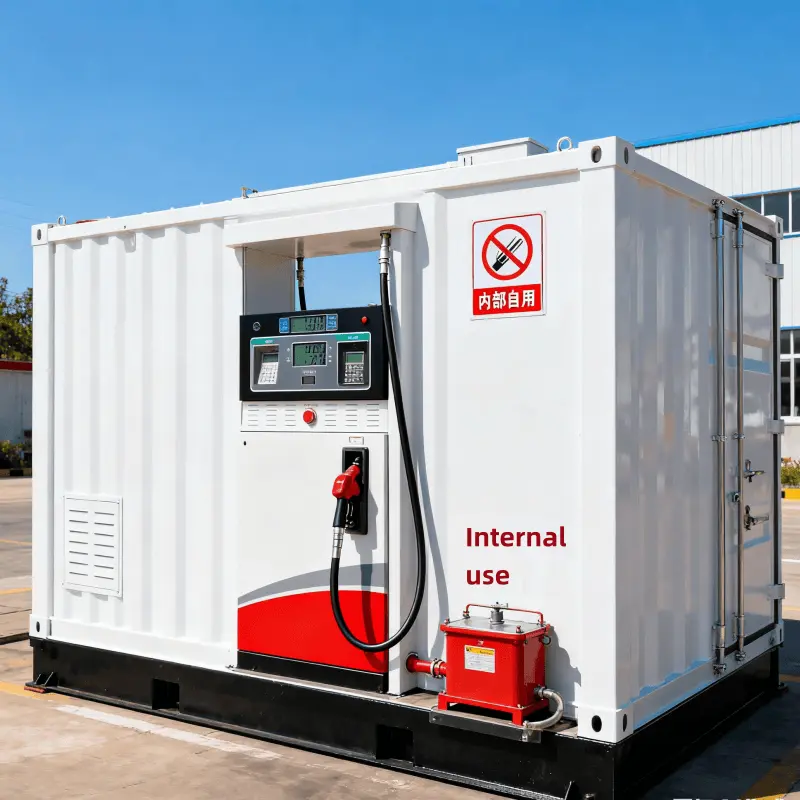
Skid-mounted Refueling Unit References
- U.S. Department of Transportation. (2023). Hazardous Materials Transportation Regulations for Commercial Vehicles. Federal Motor Carrier Safety Administration.
- Insurance Information Institute. (2022). Commercial Auto Insurance for Hazardous Material Transport. III.
- Environmental Protection Agency. (2021). Small Spill Prevention and Response Guidelines for On-Site Fuel Delivery. EPA Office of Land and Emergency Management.
- National Fire Protection Association. (2022). NFPA 30A: Code for Motor Fuel Dispensing Facilities and Repair Garages. NFPA.
- Portable Fuels Association. (2023). Best Practices for Insured Mobile Fuel Delivery Operations. PFA.
Shandong Jingcai Industry and Trade Co., Ltd.
As one of the most professional mobile fuel station manufacturers and suppliers in China, we also support customized service. With abundant experience, we warmly welcome you to wholesale high quality mobile fuel station in stock here from our factory. Contact us for free sample.
Address: Caojiazhuang Village Industrial Park, Lingcheng Town, Qufu City, Jining City, Shandong Province.
E-mail: shandongjingcai888@gmail.com
WebSite: https://www.sdjingcaicn.com/
