If you’ve ever shopped for replacement windows, you’ve probably wondered whether fiberglass casement windows can double pane—and if so, if they’re worth the investment. As a fiberglass casement windows supplier with over 15 years in the industry, I get this question every single week, from homeowners, contractors, and architects alike. It makes sense: double pane windows are the gold standard for energy efficiency, noise reduction, and overall comfort, and fiberglass is fast becoming one of the most popular window frame materials on the market. But the answer isn’t just a simple “yes” or “no”—it’s about how fiberglass frames, double pane glass, and casement window design work together, and what that means for your home. Let’s break this down, no jargon, no sales hype, just the straight facts I’ve learned from working with these windows day in and day out. Fiberglass Casement Windows
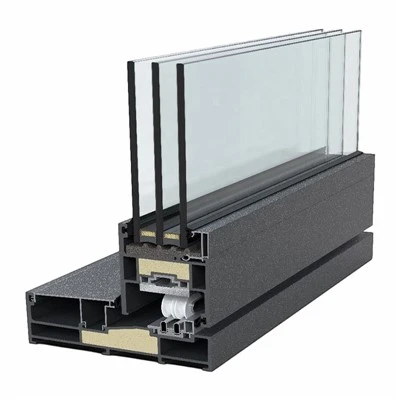
First, let’s start with the basics: what exactly is a double pane window? Put simply, it’s two panes of glass separated by a thin spacer, with a gap between them filled with air or an inert gas like argon or krypton. That gap is the key—air and gases are poor conductors of heat, so they slow down the transfer of heat between your home and the outdoors, way better than a single pane. Casement windows, for their part, are hinged on one side and crank open outward, creating a tight seal when closed that’s much more airtight than sliders or double-hung windows. That seal is why casements are so energy efficient to begin with, and it’s also why pairing them with double pane glass works so well.
Now, fiberglass frames. Unlike wood, which can rot or warp over time, or aluminum, which conducts heat and cold extremely well (leading to condensation and higher energy bills), fiberglass is a composite material made from glass fibers embedded in a resin matrix. It’s strong, durable, and has a low thermal conductivity—meaning it doesn’t transfer heat or cold easily. That’s a big deal. If you pair a fiberglass frame with a double pane unit, you’re essentially combining two low-conductivity materials, which creates a thermal barrier that single pane windows can’t match.
But here’s where the question gets nuanced: not all fiberglass casement windows are built the same. Some manufacturers offer pre-assembled double pane units that are factory-sealed right into the frame, which is the best, most reliable option. Others might offer you a frame that can be retrofitted with double pane glass later, but that comes with caveats. Let’s talk about the factory-sealed option first, because that’s what I recommend to every customer. When we build our fiberglass casement windows, every unit is sized and engineered to fit a specific double pane glass thickness. We calculate the gap between the panes, the spacer size, and the sealant that will hold everything in place without putting stress on the fiberglass frame. Because fiberglass is flexible but rigid enough to maintain its shape, it can handle the slight expansion and contraction of the double pane glass as temperatures change—something wood or aluminum frames often struggle with. Wood, for example, expands and contracts more than fiberglass, which can cause the seal around the double pane to crack over time, leading to fogging or lost efficiency. Aluminum, on the other hand, expands and contracts at a different rate than glass, which can put pressure on the glass and cause it to crack. Fiberglass matches the thermal expansion rate of double pane glass almost perfectly, so that seal stays intact for decades. That’s why our fiberglass casement windows with double pane glass have a lifespan of 20+ years, often longer.
Now, what about retrofitting double pane glass into an existing fiberglass casement window? Is that possible? The short answer is: sometimes, but it’s not always a good idea. If you have an older fiberglass casement window that’s still in good shape—no cracks, no warping, the frame is intact—you can work with a glazier to replace the single pane glass with a double pane unit. But there are a few things to watch out for. First, the frame’s thickness. If your original fiberglass frame is too thin, it might not have enough space to accommodate the spacer and gas fill required for a double pane unit. You don’t want to force a thicker glass into a frame that wasn’t designed for it, because that can damage the frame’s seal or cause it to warp. Second, the original seal. Older fiberglass frames might have deteriorated seals around the glass, so even if you replace the pane, if the frame itself has gaps, you won’t get the full energy benefits of double pane glass. Third, casement window hardware. Casement windows rely on tight seals around the edge to operate properly—cranking them open and closed, the latch, all that depends on the frame’s alignment. If you change the glass thickness, it can throw off the alignment, making it hard to crank the window or get a tight seal when it’s closed. That’s why, in my 15 years, I’ve seen way more problems with retrofitting double pane into older fiberglass casements than with factory-built double pane units.
Let’s talk about performance, because that’s what really matters to homeowners. A fiberglass casement window with double pane glass will outperform almost any other window combination you can buy. Let’s get specific: our fiberglass frames have a U-value of about 0.30, which measures heat transfer—the lower the U-value, the better the insulation. A standard double pane glass has a U-value of around 0.30 to 0.35, but when you add argon gas fill and low-emissivity (low-e) coating, that drops to 0.25 or lower. Put them together, and your total window U-value is around 0.20, which is way better than a single pane fiberglass window (around 0.50) or even a double pane aluminum window (around 0.35). That translates to lower energy bills—we’ve had customers report a 15-20% drop in their heating and cooling costs after switching to double pane fiberglass casements.
Noise reduction is another big one. Double pane windows are great for blocking outdoor noise—traffic, lawn equipment, neighbors. Casement windows, with their tight seal, add to that, and fiberglass frames are denser than wood or vinyl, so they absorb more sound too. A double pane fiberglass casement will block up to 80% of outdoor noise, which is a huge upgrade if you live on a busy street or near a playground.
Durability is another factor. Fiberglass is resistant to rot, insects, and UV damage, so it won’t fade, crack, or warp like vinyl or wood. Double pane glass, when it’s properly sealed into a fiberglass frame, is also resistant to condensation—you won’t get that foggy buildup between the panes that ruins single pane windows. We offer a 10-year seal warranty on all our double pane fiberglass casements, which means if the seal ever breaks and you get fog between the panes, we’ll replace the glass for free. That’s a big difference from aluminum or wood windows, which usually only have a 5-year seal warranty.
Now, let’s address some common myths I hear from customers. First, some people think fiberglass casement windows are too expensive to add double pane glass for. While they’re more expensive than basic single pane windows, the energy savings over time usually make up the difference. Plus, fiberglass casements with double pane glass have a higher resale value—real estate agents tell us that energy-efficient windows are one of the top upgrades buyers look for, and fiberglass double pane windows are a major selling point.
Second, some people worry that double pane fiberglass casements are heavy and hard to open. That’s not true when they’re properly engineered. Our casement windows use high-quality crank hardware that’s designed to handle the weight of double pane glass—even for large windows, you can crank it open with one hand. We also balance the weight of the glass so it’s easy to operate, no matter the size.
Third, some people think that if you live in a cold climate, you don’t need double pane glass with fiberglass. No, that’s the opposite—cold climates benefit the most from the thermal barrier of double pane fiberglass. The gap between the panes and the low conductivity of fiberglass keep heat inside your home in winter, reducing heating costs. In warm climates, it’s just as good, because the double pane and low-e coating keep heat out, so your AC doesn’t have to work as hard.
Wait, but what about triple pane? Is that better? It can be, but it depends on your needs. Triple pane has three panes, so two gaps, which is even more insulation. But it’s heavier, more expensive, and unless you live in an extremely cold climate (like Alaska or northern Canada), double pane is usually enough. We don’t offer triple pane as a standard, because most homeowners get all the efficiency they need with double pane, but we can build custom triple pane if that’s what you’re looking for.
Now, let’s be honest about the downsides. The only real downside to fiberglass casement windows with double pane glass is the upfront cost. They’re more expensive than vinyl single pane or even double pane aluminum windows. But when you factor in energy savings, a long lifespan (we’ve had customers with windows we installed 20 years ago that still work like new), and low maintenance (you don’t have to paint them, you just wipe them down once a year), it’s a worthwhile investment. Another small downside: because casement windows crank open outward, if you have a small porch or shrubs right outside the window, you might have to trim them back to open it fully. But that’s a small trade-off for the tight seal and efficiency.
So, to circle back to the original question: Can fiberglass casement windows double pane? Absolutely, and that’s one of the best window combinations you can choose for your home. But the key is to go with a factory-built unit, not a retrofitted one, to make sure the frame, glass, and seal are all properly engineered to work together.
If you’re a homeowner looking to upgrade your windows, or a contractor working on a new build or renovation, we can custom build fiberglass casement windows with double pane glass to fit any size, any style, and any climate. We work with you to pick the right glass type (low-e, argon fill, etc.) and make sure the frame is sized and sealed correctly for maximum efficiency. If you have questions, want a quote, or need to talk through your specific project, we’re here to help.
Fire-resistant Door Reference: U.S. Department of Energy, Window Energy Efficiency, 2022; National Association of Home Builders, Window Material Durability, 2021; Glass Packaging Institute, Double Pane Window Performance, 2020.
Henan Enbuess Composite Materials Co., Ltd.
Henan Enbuess Composite Materials Co., Ltd. is one of the most professional fiberglass casement windows manufacturers and suppliers in China, also supports customized service. Please feel free to buy bulk durable fiberglass casement windows made in China here from our factory. Welcome to contact us for free sample.
Address: No.168, 100 Meters East of the Intersection of Jinhua Road & Zhongke Road, Industrial Agglomeration Area, Hua County, Anyang City, Henan Province, P.R. China
E-mail: leila.salesdir@enbuess.com
WebSite: https://www.enbuessfrp.com/
