Alright, let’s cut to the chase if you’re here building or upgrading a livestock building—no one wants to get stuck with a fine mid-project because you missed a permit. I’ve been working with livestock farmers for years now as part of our livestock buildings supply team, and this is the question we get more than any other: “What permits do I actually need, not just what’s on a random government website?” Let’s break this down like we’re chatting over a coffee (no stuffy jargon, promise). Livestock Buildings
First off, stop scrolling generic government pages right away—your local county or even township has super specific rules, and that’s where the real work starts. For us, every farmer who orders a custom livestock barn from our team gets a heads-up on this right after they place the initial deposit, because if you skip this part, you could halt construction for weeks. Let’s start with the big one: zoning permits.
Zoning is non-negotiable, full stop. I once had a small-scale goat farmer buddy who ordered a 20×30 pole barn for his Nigerian Dwarf goats—super small, right? He forgot to check his rural township’s zoning rules, and turns out, he couldn’t build any new livestock structures within 50 feet of the property line. He had to move the whole barn 10 feet back, which meant we had to adjust the foundation design last minute, no extra charge (but that was a one-time favor, not a rule). Most areas split zoning into agricultural, residential-ag, and industrial ag. If you’re in a regular residential zone, even if you have a few cows, you might not be allowed a big barn—ag zones are your best bet here. Also, some places cap how many livestock you can have on a single parcel, so if you’re scaling up, check that zoning overlaps with animal count limits too. That’s not a permit, but it’s tied directly to whether you can even apply for the next stuff.
Next up, building permits—this is the big one most people mix up with zoning. A zoning permit is just the “you can build here” green light, a building permit is the actual “your structure meets safety code” stamp. For livestock buildings, this is way more involved than a backyard shed, because you’re dealing with things like animal waste runoff, structural stability for heavy equipment (tractors, feed trucks), and ventilation for the animals. I’ve seen farmers try to pull a permit on their own and get rejected because they didn’t include a manure management plan in their application. Wait, manure? Yeah, that’s part of the building permit in 90% of US counties right now, especially if you’re keeping more than like 10 head of cattle or 20 hogs. The code requires you to show you’re not going to let runoff get into a local creek or well—makes sense, no one wants their neighbors complaining about a pond of pig poo seeping into their drinking water.
Here’s a pro tip from our team: when you work with a livestock building supplier like us, we have engineers on staff who can help you pull together the building permit plans exactly how your county wants them. We’ve had clients come to us with a jumbled up set of drawings they did themselves, and the county planner said, “Nope, you need load calculations for the roof, plus a ventilation schematic specific to dairy cows.” We fix that in 24 hours, no extra cost, because we do this all the time. Trying to DIY the permit drawings? That’s where mistakes happen.
Wait, what about electrical permits? Yeah, don’t sleep on those if you’re adding anything beyond a basic light—like automatic feeders, water heaters for lambs or piglets, or ventilation fans. Most places require a licensed electrician to pull the electrical permit, and you have to have it inspected before you can flip the switch. I learned this the hard way when a client tried to run a power cord for his horse barn’s heated water bucket without a permit—he got a $1,200 fine, plus the electrician had to redo all the wiring because it didn’t meet code. That’s the kind of headache we warn clients about upfront.
Then there’s the environmental permit, which is sometimes lumped into the building permit, but not always. If you’re in a watershed that’s designated as sensitive (a lot of rural areas are these days because of EPA rules), you might need a separate stormwater permit. This is mostly for bigger operations—like if your barn is over 1,000 square feet, or if you’re housing more than, say, 50 head of beef cattle. The environmental agency will want to know how you’re managing rainwater so it doesn’t carry waste from your barn into nearby water sources. We had a 200-cow dairy farmer last year who almost missed this, and he had to redo his drainage system mid-construction, which cost him an extra $3,000. We caught it because we check the watershed status for every job we take on.
Wait, what about if you’re using the livestock building for something else? Like, if you’re adding a milking parlor or a show arena for horses? You might need additional permits—health permits for food production (milk), or event permits if you’re hosting shows. That’s another thing we help with, because we’ve worked with so many different types of livestock operations: sheep, goats, pigs, horses, dairy, even chicken broilers. Each has their own extra rules.
Now, let’s talk about exemptions, because that’s a huge gray area. A lot of small-scale farmers think they don’t need any permits at all. For example, if you have a tiny 10×10 shed for 2 or 3 goats, some rural counties don’t require a building permit, but they will still make you check zoning. I once had a hobby farmer in Ohio who built a tiny chicken coop in his residential backyard—no permit, but a neighbor complained, and the township made him take it down because it was too close to the property line. Exemptions are not a free pass, ever. You still have to run it by the zoning office, even if it’s small.
Another common mistake: waiting till you start construction to apply for permits. We had a client last month who showed up to our delivery site with a fully built 40×60 cattle barn, and the county inspector showed up at the same time and made him tear down half the walls because he didn’t have a permit. That cost him an extra $8,000 in construction delays and rework. The process usually takes 2-4 weeks, sometimes longer if you need the environmental plan, so factor that into your timeline. That’s why our team always reminds clients to start the permit process within a day of signing the order, not after delivery.
Here’s the thing we always tell our clients: the permit process isn’t just a hoop to jump through. It’s there to keep you, your animals, and your neighbors safe. A building permit ensures your barn can handle heavy snow loads (we’ve all had that big snowstorm a couple years ago that collapsed a bunch of poorly built sheds), and the environmental rules mean you’re not going to make your neighbor’s well go bad. We’ve built livestock buildings in 12 different states now, so we know that rules change a little from place to place, but the core stuff is the same.
If you’re feeling overwhelmed by all this, don’t stress—our team doesn’t just drop off your barn and leave you to figure it out. We have a permit assistance program where we fill out all the forms, pull the necessary plans, and even walk you through the application process with your county planner. We’ll let you know exactly which permits you need for your specific operation, no generic lists, just what applies to you. A lot of other suppliers just sell the barn and wash their hands of the rest, but we’ve built our business on being the kind of partner who’s here before, during, and after the build.
At the end of the day, missing a permit isn’t just a fine—it’s weeks of lost time, angry neighbors, or worse, a barn that doesn’t meet code and can’t be used. We’ve seen it too many times, so we make it our job to help our clients avoid that. If you’re planning a new livestock building, or upgrading an old one, hit us up to chat through what permits you’ll need. We’ll make it as easy as possible, no confusing jargon, no hidden fees. We’re not here to sell you something you don’t need—we’re here to make sure your livestock project goes off without a hitch, from the first permit application to the first time you bring your animals home.
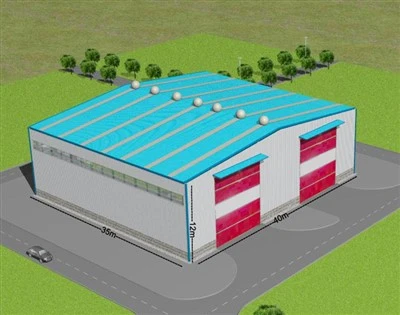
Now, let’s make sure we covered the basics: zoning permit first, then building permit (with structural and manure plan), electrical permit if you’re adding power, environmental/stormwater permit for larger operations, and extra permits if you’re doing food production or events. And never assume you’re exempt—always check with your local county. If you need help navigating any of that, we’re just a message or call away. Don’t let permit stress ruin your livestock project—we’ve got your back.
Church Buildings References: National Agricultural Law Center, USDA Rural Development, Local County Zoning and Building Departments (state-specific guidelines).
Shandong Honstar Construction Co., Ltd.
As one of the most experienced livestock buildings manufacturers in China, we have world-leading production equipment and strong manufacturing capabilities. Please feel free to buy cost-efficient livestock buildings for sale here from our factory. Contact us for more details.
Address: No.365, Xinhai street, Weifang, Shandong, China
E-mail: info@honstarconstruction.com
WebSite: https://www.steelbuildingchina.com/
