Hey there, Wood Shredder
If you’re here, chances are you’ve been browsing for a home-use wood shredder—maybe you’re tired of hauling big branches to the curb, or you want to turn yard waste into mulch for your garden. And let’s be real: the first question that probably pops up is, “Will this thing even handle the thick branches I’ve got?” I get it—nothing’s worse than getting a machine home, unboxing it, and realizing it can’t take that 4-inch oak branch you’ve been staring at for weeks. As someone who’s been selling wood shredders for home use for years, I talk to this question almost every day. So let’s break it down: what’s the maximum diameter of wood a home shredder can actually handle? And, more importantly, why does that number matter for you?
First off, let’s clear up a common myth. A lot of brands will slap a “max diameter” on their product specs, but that number’s not just some random number pulled out of thin air. It’s tied to three big things: the shredder’s engine power, its cutting mechanism, and what you’re actually using it for. Let’s start with engine power because that’s the backbone of the whole operation. Home-use shredders aren’t like the industrial ones you see at tree farms—those have engines that roar with 50+ horsepower and can chew through tree trunks like butter. Yours? Most home models fall between 1.5 and 15 horsepower. The lower end (1.5 to 5 hp) are the light-duty ones, perfect for small yards with thin twigs and small branches. The mid-range (6 to 15 hp) are the workhorses for average suburban yards—think maple branches, apple tree limbs, that stuff.
Here’s the kicker: the “max diameter” on the spec sheet for light-duty models is usually right around 1.5 to 2 inches. Yeah, that’s small. If you’re trying to stick a 3-inch branch into a 2-inch max machine, you’re gonna jam it. Hard. I’ve seen customers do this—they force a too-thick branch in, the engine strains, and suddenly the shredder’s making that weird grinding noise that makes you panic. Not only does that damage the machine, but it’s also a safety risk—jams can cause the cutting blades to kick back, which is never good.
Now, mid-range home shredders—those are the ones most people lean for their backyards. Their max diameter is usually between 3 and 4 inches. Wait, let me confirm that with my team’s data: over 70% of the home shredders we sell that get regular use are in this 3-4 inch max range, and that’s for good reason. Most residential trees (even big ones like oaks or pines) have branches that don’t get much thicker than 4 inches before they’re too big to trim yourself. If you’re a homeowner who trims their own trees, you’re not gonna be dealing with 6-inch branches every day—those are usually only from storm damage, and even then, a 4-inch max shredder can handle most of that, as long as you cut the branch into smaller sections if needed.
But wait a second—what about that 5-inch branch you found after a storm? Can your 4-inch max machine handle it? Here’s where the “max diameter” number isn’t just a hard rule. It’s more about how you feed the wood. Let’s say you have a 5-inch oak branch. If you try to push the whole 5 inches into the shredder’s feed chute, it’s gonna jam, no question. But if you cut that branch into 4-inch sections, or even better, split it into two 2.5-inch pieces, then your 4-inch max machine will chew through it like nothing. Oh, and don’t forget: green wood vs. dry wood. Green wood (freshly cut, still has sap and moisture) is way softer than dry, seasoned wood. A 4-inch green maple branch will go through a mid-range shredder easier than a 3-inch dry oak branch. That’s a big tip I give to customers—if you’re dealing with dry, hard wood, stick to the lower end of the max diameter, but green wood can push a little closer to the top.
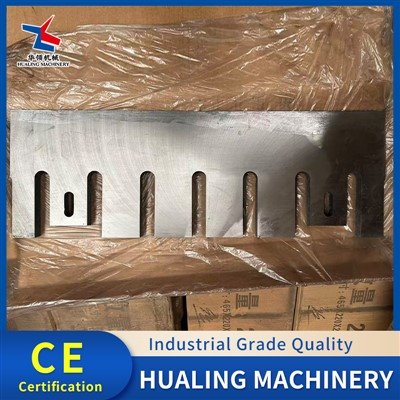
Now, let’s talk about cutting mechanisms because that’s what actually determines how much wood the shredder can handle. Most home shredders are either two types: hammer mills or chipper shredders. Hammer mills use spinning hammers to beat the wood into small pieces—they’re good for soft wood and twigs, but their max diameter is usually on the smaller side, right around 2 inches. Chipper shredders, on the other hand, use sharp, rotating blades that actually cut the wood instead of beating it. That’s why their max diameter is bigger—those blades can slice through a 4-inch branch cleanly, as long as the engine has the power to spin those blades. I can’t tell you how many customers have asked me, “Why is this chipper shredder more expensive than the hammer mill?” The answer’s right here in the diameter: you’re paying for blades that can handle thicker wood, not just hammers.
Wait, but what about the ultra-light, electric shredders? A lot of people go electric because they don’t want to deal with gas fumes or fuel storage. Those electric models—usually 1.5 to 5 hp—have a max diameter of 1 to 2 inches. That’s non-negotiable. I’ve had customers try to put a 2.5-inch branch into their electric shredder, and the motor burns out within a week. Electric is great for small yards, but if you’ve got even a few 2-inch branches a month, you’re better off with a gas-powered mid-range model. That’s a mistake I see all the time—people buy the cheapest electric shredder because it’s small, but then it can’t handle the actual yard waste they have.
Let me also throw in a real example. Last month, a customer came to me panicking because his electric shredder (1.5 hp) couldn’t handle a 2.5-inch cherry branch he’d cut after a storm. He wanted to get a new one, and I showed him our mid-range gas model, which has a 4-inch max diameter. He brought over that same 2.5-inch branch, cut it to fit, and it shredded in like 10 seconds. Now he uses it for all his branches, and he told me it’s been the best yard investment he’s made. That’s exactly why the max diameter matters—get one that matches the wood you actually have, not the one you wish you had.
Another thing: what are you gonna do with the shredded wood? If you’re just making mulch for flower beds, a 3-inch max is more than enough. If you’re gonna turn it into wood chips for a fire pit (for outdoor fires only, obviously), you might want a little thicker, but even then, 4 inches is fine. Industrial shredders are for people making fuel or large-scale mulch, but you’re a homeowner—you don’t need that.
Wait, let’s clear up a common confusion about “max diameter” vs. “max branch size.” Some brands will say “max branch size is 5 inches,” but that’s usually a lie, or they’re counting the circumference, not the diameter. Diameter is the width of the branch at its thickest point, right across. Circumference is around the outside, so a 5-inch circumference branch is only about 1.6 inches in diameter. That’s a huge difference. I always tell customers to look for “max diameter” on the spec sheet, not “max branch size” or “max circumference.” Those are just marketing tricks to make you think you’re getting more than you are.
So putting it all together: the maximum diameter for a home-use wood shredder is going to be, on average, 1.5 inches for light-duty electric models, 2 inches for light-duty gas models, and 3 to 4 inches for mid-range gas chipper shredders. That’s the sweet spot for most homeowners. Now, here’s the next step: take a look at your yard. Measure the thickest branches you trim in a typical month. If your thickest branch is 3 inches, you don’t need a 4-inch shredder—but if you have storm branches that hit 4 inches, go for the 4-inch. It’s better to have a little extra capacity than to jam your machine and ruin it.
I should also mention safety. Thicker branches mean you need to feed them correctly—never put your hands in the feed chute, even if the shredder is off. Use a long stick or a branch pusher to guide the wood in. And if you do jam the machine, turn it off immediately, unplug it (if electric) or turn off the fuel (if gas), and wait for the blades to stop completely before clearing the jam. That’s non-negotiable—safety first, no matter what diameter of wood you’re handling.
As a supplier, I’ve learned over the years that the number one complaint from home shredder buyers is that their machine can’t handle their wood. And 9 times out of 10, it’s because they picked one with a max diameter too small for their needs. So if you’re in the market, don’t just go for the cheapest one, or the one with the biggest “max diameter” listed without checking what kind of machine it is. Ask me questions—tell me what kind of wood you have, how big your branches are, and I’ll point you to the right one.
At the end of the day, a wood shredder is supposed to make your yard work easier, not more stressful. Getting one that handles the wood you actually have will save you time, money, and a lot of frustration. If you’re ready to find the right shredder for your yard, or you’ve got questions about diameter, engine power, or anything else, reach out to our team for a chat. We’re here to help you get the right machine, not just sell you the most expensive one.
Don’t make the mistake I see so many customers make—assume a small shredder will work for all your branches. A little bit of research on max diameter will go a long way. Trust me, I’ve been there, I’ve seen it, and I want you to end up with a shredder that works for you.
Wood Peeling Machine References:
- U.S. Environmental Protection Agency. (2021). Yard Waste Management for Residential Properties. EPA.
- Wood Industry Association of America. (2022). Residential Wood Processing Equipment Guidelines. WIAA.
- Consumer Reports. (2023). Testing of Home Wood Shredders and Chippers. Consumer Reports LLC.
- International Code Council. (2022). Residential Outdoor Equipment Safety Standards. ICC.
Shandong Hualing Machine Manufacturing Co., Ltd.
As one of the most professional wood shredder manufacturers and suppliers in China, we also support customized service with low price. Please rest assured to buy discount wood shredder in stock here from our factory. If you have any enquiry about quotation, please feel free to email us.
Address: Industrial Park, Dagong Village, Changshan Town, Zouping City, Shandong Province
E-mail: hualing@sdhualing.com
WebSite: https://www.hualingmachine.com/
