Hey guys, if you’re here, chances are you’ve either just ordered a new pair of optical glasses, been shopping around for frames, or are probably wondering what happens if something goes wrong with them after you drop big money. I’ve been in the optical glasses supply game for almost a decade, working with both independent optometrists and big retail chains, and one question I get asked more than any other is: Do optical glasses actually come with a warranty? The short answer is… it depends. But let’s break this down like we’re chatting over coffee, no boring jargon, just real stuff that matters when you’re dealing with eyewear that’s supposed to last you at least a year, right? Optical Glasses
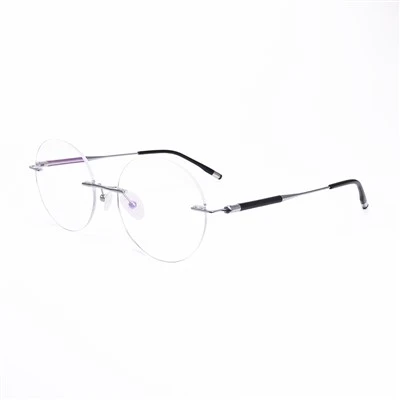
First, let’s get one thing straight: not all optical glass is made the same. Back in the day, most glasses were just regular crown glass—thick, heavy, and prone to chipping if you so much as nudged them on a doorknob. Now? We’ve got high-index lenses, polycarbonate, Trivex, all that fancy stuff. Polycarbonate, for example, is 10x more impact-resistant than regular glass, which is why it’s the go-to for kids and active folks. But even with the best materials, accidents happen. A lens scratches, a frame snaps at the hinge, the nose pad falls off, and suddenly you’re out hundreds of dollars with no clue what to do. That’s where the warranty comes in, but it’s not one-size-fits-all.
When I first started out, I’d have customers come to me furious because their $800 designer frames broke a week after they got them, and the retail store said “no warranty.” Half the time, the problem was miscommunication: the store would tell them about the warranty, but it was buried in a fine-print sheet no one reads. The other half? The warranty terms were garbage—covering only manufacturer defects for 30 days, nothing for normal wear and tear, or accidents that weren’t the store’s fault. Nowadays, as a supplier, we’ve worked with our factory partners to make our warranty terms transparent, but let’s lay out what you can actually expect.
Let’s split this into two parts: frame warranties and lens warranties, because those are the two biggest components of your glasses, and each has totally different coverage.
Frames first. Most quality frames—whether they’re budget or premium—come with a manufacturer’s warranty that covers defects in materials and workmanship. What does that mean exactly? If the frame’s hinge is welded wonky so it falls off after two days, or the nose pads are glued on wrong so they pop off every time you adjust your glasses, that’s a manufacturer defect. How long does that last? Typically 12 months for standard frames, sometimes 24 for higher-end designer brands. But here’s the catch: this doesn’t cover normal wear. If your frame scratches because you set it down on concrete, or if you sit on it (guilty!), or if you bend it too far closing it in your purse, that’s your fault. Also, almost no frame warranty covers lost frames—obviously, that’s just common sense.
Now lenses, which is where things get trickier. Lenses are even more specific. Most optical lenses (glass or plastic) come with a warranty against defects in the lens material or coating. What’s a defect? If your anti-reflective (AR) coating peels off for no reason within the first year, or if there’s a bubble in the lens, or if the prescription is wrong even after the optician verified it—that’s covered. Wait, prescription errors! That’s a big one. If we supply a lens that’s made with the wrong sphere or cylinder power, that’s our fault, and we’ll replace it no questions asked—for up to 90 days after delivery, since that’s how long most people take to get them fit and checked. But here’s the thing about lenses: most lens warranties don’t cover scratches. Unless it’s a defect in the coating (like the AR layer was applied unevenly so it’s more prone to scratching), if you drop your glasses and scratch the lens, that’s on you. Some high-end lenses might offer a scratch warranty as an add-on, but that’s usually an extra cost, not standard. I’ve had customers ask why we don’t cover all scratches, and honestly? We can’t control what people do with their glasses. If you leave them in the back window of a car where it gets 120 degrees out, the lens can warp and scratch way easier than if you store them in a hard case. That’s normal wear from misuse, not a defect in the glass itself.
Wait, what about blue light coatings? That’s super popular now, right? Lots of people get blue light lenses for screen time. Most blue light warranties are the same as AR coatings—covering defects, not normal fading. Blue light can fade over time, usually 2-3 years, that’s just how the material works, that’s not a defect, so that’s not covered. We get that, it’s frustrating when coating fades, but that’s just part of owning eyewear.
Now, let’s talk about what you should do if you need to use a warranty, because so many people mess this up. First, keep your receipt! I can’t tell you how many times a customer comes to me six months later with a pair of glasses they bought from a retail store, can’t find the receipt, and we can’t look up the order. All warranties are tied to the original purchase. Second, document the issue. If your frame breaks, take a clear photo of the break—close up, so we can see if it’s a defect or user damage. Third, reach out to the place you bought them first, not the manufacturer directly. Most suppliers (like us) work with retailers to handle warranty claims, so if you bought from an optician, go back to them. If you bought directly from a supplier, contact us directly. Wait, that’s a good segway—if you’re ordering glasses from a supplier, make sure you ask about the warranty before you buy. A lot of sketchy suppliers will sell cheap lenses and frames with no warranty at all, so if something goes wrong, you’re out of luck.
I’ve seen so many horror stories from suppliers with no warranty: a customer buys a pair of $50 glasses online, the lens cracks after a month, the supplier ghosts them, they have to pay $200 to replace them. That’s why I always tell people to prioritize suppliers that offer clear, fair warranties. For our part, as an optical glass supplier, we offer a 12-month warranty on all frames against defects, and a 6-month warranty on lenses against coating defects and prescription errors. We also offer a 30-day “fit guarantee” meaning if the glasses don’t fit right when you get them, we’ll adjust them or replace them, no questions. That’s something I pushed for when I started this business, because I hated seeing customers get stuck with ill-fitting glasses just because the retailer wouldn’t bend.
Wait, what about insurance? A lot of people ask if they can use their vision insurance for warranty claims. It depends on the insurance, but most vision insurance plans cover one pair of glasses per year, and some will cover replacements for defects. But you still have to go through the warranty process first. Also, if you’re a bulk buyer—like a retail optician or a school program buying glasses for students—we customize warranties for you, because bulk orders have different needs. For example, we can offer a 2-year warranty on frames for school programs, since kids are way harder on glasses than adults.
Let me address a common myth I hear all the time: “My warranty should cover everything, even if I break it.” No, that’s not how any product works. A warranty is to protect you from defects, not from your own mistakes. If you drop your phone and break the screen, your warranty doesn’t cover that, right? Same with glasses. A good warranty balances protecting the customer from manufacturer errors without covering avoidable damage. That’s why our warranty is structured the way it is—we want to stand behind our products, but we also don’t want to overcharge for a warranty that covers every little thing that goes wrong, because that cost gets passed on to you.
Another thing: what about polarized lenses? Lots of people get polarized for driving or fishing. The warranty on polarized lenses is the same as regular lenses, but if the polarization film is uneven, that’s a defect. We’ve had a handful of cases where the polarization didn’t line up right, and we replaced those no problem, within the 6-month window. If the polarization fades over time, that’s just normal aging, not a defect, so it’s not covered.
Wait, I should also mention what’s not covered by almost every optical warranty. Lost or stolen glasses, obviously. Damage from accidents that are extreme—like running over your glasses with a car (we’ve seen that once, weirdly) or exposing them to chemicals (like hairspray that eats through the coating). Normal wear and tear, like small scratches that don’t affect your vision, or frame loosening over time (that’s easy to adjust, so most places will adjust it for free, not under warranty). And any modifications you make to the glasses—like swapping lenses yourself, or bending the frame out of shape—will void the warranty. That’s a standard rule for almost all products, right? Modifying the product breaks the warranty.
Let’s wrap this up. So to answer the original question: Do optical glasses come with a warranty? Yes, but not all warranties are the same. Before you buy, ask the supplier or retailer: How long is the warranty? What does it cover? What doesn’t it cover? How do I file a claim? If a supplier can’t answer those questions clearly, that’s a red flag. For our part, we make all that info available on our order forms, and our customer support team is on call 5 days a week to walk you through any issues.
If you’re an optician looking to restock quality optical glasses with fair warranties, or someone who’s shopping around for a reliable supplier, hit us up to chat about your needs. We work with all kinds of clients, from small independent opticians to large retail chains, and we’re happy to customize warranty terms to fit what you need. We want to make sure you’re not stuck with a pair of glasses that break a week after you get them, because we’ve all been there—waiting for a new pair when you need them for work, or for your kid for school, and it’s such a hassle.
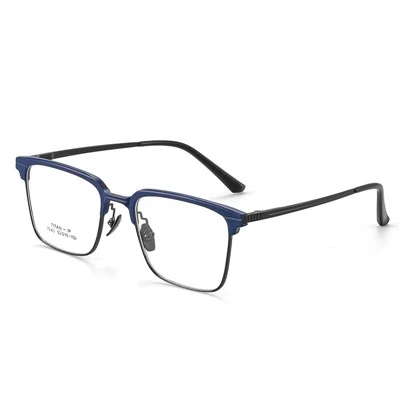
Just a quick note: Always keep your glasses in a hard case when you’re not wearing them, clean them with the microfiber cloth we send you (not your shirt or a paper towel, which scratches lenses), and if something does go wrong, don’t panic. As long as you have your receipt and the issue is a defect, we’ll make it right.
Polarized Sunglasses References: 1. American Optometric Association. (2022). Eyewear Warranty Guidelines. 2. International Organization for Standardization. (2021). Standard for Optical Lens and Frame Manufacturing. 3. Vision Council of America. (2023). Consumer Eyewear Purchasing & Warranty Report.
Yuhuan Longsen Glasses Co., Ltd.
As one of the most professional optical glasses manufacturers and suppliers in China, we offer a wide range of products with superior quality. Please feel free to buy high quality optical glasses for sale here and get quotation from our factory. We also accept customized orders.
Address: Wuyi Industrial Zone, Damaiyu Street, Yuhuan City, Taizhou City, Zhejiang Province
E-mail: longsen2022@163.com
WebSite: https://www.longsenglasses.com/
