If you’ve ever walked past a wood processing factory on a humid afternoon, you’ve probably noticed two things: the earthy, sharp smell of fresh cut timber and, if the factory is operating without proper precautions, a faint acrid tang that sticks to your clothes long after you’ve walked away. That tang isn’t just a nuisance—it’s a mixture of volatile organic compounds (VOCs), particulate matter (PM), and potentially hazardous gases from processes like sawing, sanding, drying, and treating wood with preservatives. As someone who’s spent 12 years designing and installing waste gas treatment systems for industrial facilities, I can’t tell you how many times wood processing plant owners have told me, “We just need to meet regulations.” But what they usually mean is, “We need to fix this without breaking the bank, without shutting down production, and without sacrificing the quality of our lumber.” Over the years, I’ve worked with small sawmills in rural Ohio, large engineered wood plants in the Pacific Northwest, and everything in between, and I’ve learned there’s no one-size-fits-all solution for wood processing waste gas. But there are a handful of proven technologies that work reliably, and I want to walk you through them like I would walk a new client through our workshop—no jargon, no sales pitch, just real, practical information. Waste Gas Treatment Equipment
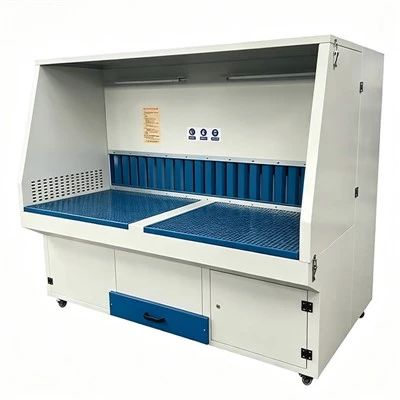
Let’s start with the basics of what we’re actually dealing with here. Wood processing waste gas isn’t a single pollutant; it’s a mix that varies wildly depending on the process. When you saw or sand wood, you’re generating fine particulate matter—think tiny sawdust particles that can penetrate deep into lungs, plus larger wood chips that might seem harmless until they clog a ventilation system. When you dry wood, especially at high temperatures, you release VOCs like terpenes (that’s the pine-like smell), formaldehyde, and acetic acid. If the plant uses pressure treatment to make wood resistant to rot or pests, you’re dealing with even more volatile compounds, including chromium, copper, and arsenic—metals that are not just bad for the air but extremely dangerous if they end up in waterways. The first step to choosing the right equipment is figuring out exactly what your plant is emitting, but let’s cover the core treatment technologies that address the most common and harmful of these pollutants.
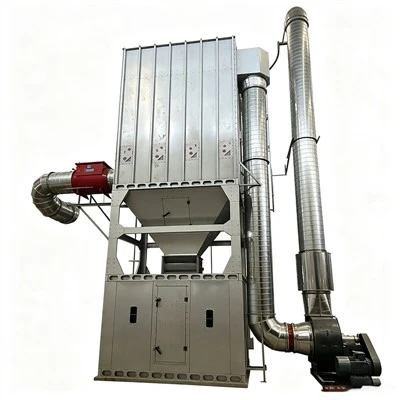
The most widely used equipment in wood processing is the baghouse filter, also called a bag filter system. I see why this is a first stop for so many plant owners—it’s simple, effective, and fits a range of production sizes. Baghouses work by pulling waste gas through hundreds of fabric bags, ranging from woven polyester to aramid fibers that can handle high temperatures. The bags catch both fine sawdust and larger particulate matter, which then falls into a collection hopper at the bottom of the system, where it can be recycled or disposed of safely. For a small sawmill producing 50,000 board feet of lumber a year, a pulse-jet baghouse (the type that puffs compressed air through the bags periodically to dislodge built-up dust) might be all you need. I installed one for a client in western Pennsylvania two years ago, and they told me their dust emissions dropped by 92% within the first month, and they now sell the collected sawdust to a local biomass power plant as an extra stream of revenue. That said, baghouses only handle particulate matter—they don’t touch VOCs or hazardous gases. So if your plant does any drying or pressure treating, you’ll need something else to pair with it.
Next up is the thermal oxidizer, a system that’s designed specifically to break down VOCs and hazardous gases. Here’s how it works: waste gas is heated to temperatures between 1,400 and 1,800 degrees Fahrenheit, which is hot enough to convert organic compounds in the gas into carbon dioxide and water—two harmless byproducts. For many wood processing plants, a regenerative thermal oxidizer (RTO) is the best type of thermal oxidizer, because it recycles the heat from the exhaust gas to preheat incoming waste gas, cutting energy costs by up to 70% compared to a standard thermal oxidizer. I recently worked with an engineered wood plant in Oregon that was emitting high levels of formaldehyde from their laminating process; they were facing a $12,000 fine from the state environmental agency if they didn’t fix their emissions within six months. We installed a medium-sized RTO paired with a baghouse, and not only did they avoid the fine, but their natural gas bill dropped by nearly $8,000 a year because of the RTO’s heat recycling. The only downside to RTOs is that they’re not cheap upfront—for a plant with high production volumes, you’re looking at a six-figure investment. If you’re a smaller plant, though, there’s a lower-cost alternative to RTOs: catalytic oxidizers. Catalytic oxidizers work at lower temperatures (around 700 degrees Fahrenheit) by using a catalyst—usually platinum or palladium—to speed up the breakdown of VOCs. They’re more energy-efficient for lower-volume emissions, and I’ve installed them for small custom woodworking shops that produce furniture and cabinetry, where VOC levels are lower than in large-scale sawmills.
Another technology I see growing in popularity for wood processing is the electrostatic precipitator (ESP), though it’s less common than baghouses or oxidizers for this specific industry. ESPs work by charging particulate matter as it flows through an electric field, then attracting the charged particles to metal plates where they stick and are later removed. They’re extremely efficient at capturing fine particulate matter—particles as small as 0.1 microns, which is smaller than what most baghouses can catch. I worked with a large pellet manufacturing plant in Minnesota a year ago that was struggling with ultra-fine sawdust emissions, which were clogging their equipment and causing dust-related issues with their workers. They’d tried a baghouse first, but the fine particles kept passing through the bags, so we installed an ESP paired with a baghouse as a secondary filter. That fixed the dust problem, and they also reported that their equipment maintenance costs dropped by 40% because there was less dust buildup. The main issue with ESPs, though, is that they’re not as effective for high-humidity environments, which is common in wood drying processes—moisture can interfere with the electric charge. So they work best for dry particulate matter, not for waste gas that’s been humidified during wood drying.
For plants that use chemical treatments for wood—like pressure treating with preservatives, or spraying finishes for furniture—there’s another set of equipment that’s essential: scrubbers. Scrubbers remove gaseous pollutants and fine particulate matter by spraying a liquid (usually water, or a chemical solution) into the waste gas stream, which catches the pollutants before the gas is released. There are two main types of scrubbers I recommend for wood processing: wet scrubbers and bio-scrubbers. Wet scrubbers, also called gas absorption scrubbers, use a chemical solution to neutralize hazardous gases. For example, if a plant is using ammonia in their treatment process, a wet scrubber with a sulfuric acid solution can neutralize the ammonia before it’s emitted. I installed a wet scrubber system for a pressure treatment plant in Alabama, and they told me it not only reduced their hazardous air pollutants (HAPs) by 95% but also helped them meet strict EPA standards for water discharge, because they could treat the scrubber liquid and reuse it instead of sending it to a treatment plant. Bio-scrubbers are a more eco-friendly alternative, using living microorganisms to break down pollutants like VOCs and ammonia. They work by passing waste gas through a bed of materials like compost or peat where the microorganisms live, and the microbes eat the pollutants, converting them into carbon dioxide and water. A small furniture manufacturer in North Carolina switched to a bio-scrubber two years ago and now uses the compost byproduct as soil for their on-site garden. The only downside is that bio-scrubbers require consistent temperature and moisture levels, so they need more regular maintenance than wet scrubbers.
Now, I want to be real with you—choosing the right equipment isn’t just about picking the most high-tech or most expensive system. It’s about balancing your production volume, your budget, the specific pollutants you’re emitting, and your long-term goals. For example, if you’re a small sawmill with 10 employees producing 20,000 board feet of lumber a year, you don’t need a six-figure RTO— a pulse-jet baghouse paired with a small catalytic oxidizer for your wood drying emissions will probably be more than enough. On the other hand, if you’re a large engineered wood plant producing millions of board feet a year, you’ll likely need a combination of equipment: a baghouse for dust, an RTO for VOCs, and a scrubber if you do any chemical treatment. I always tell clients to start with an emissions audit— a simple test that tells you exactly what’s coming out of your stacks, how much, and at what temperature. Skipping this step is like buying a new work truck without checking your current load capacity; you might end up with something that’s either too small or way more powerful than you need.
I also can’t overstate the importance of maintenance. I’ve seen too many plants install a new treatment system, then skip monthly filter changes or annual inspections, and within a year, the system is barely working. For example, a baghouse’s efficiency drops by 30% if you don’t replace the fabric bags every 3-5 years, depending on usage. An RTO’s heat recycling system can become clogged with dust if you don’t have it cleaned every six months, leading to higher energy bills. The good news is that most of these systems are designed to be low-maintenance, as long as you have a regular schedule. I offer our clients a maintenance plan that includes quarterly checks, filter replacement, and emergency service—no one wants their treatment system to break down during a production run, especially if it’s causing fines or safety issues.
At the end of the day, wood processing plants have a unique set of challenges, but the good news is that there are reliable, cost-effective waste gas treatment solutions that work for every size and type of operation. I’ve seen plants go from failing inspections to being praised for their low emissions, from incurring thousands in fines to saving money on energy and byproduct reuse. The key is not to wait until you get a notice from your state environmental agency or face a health issue with your workers—proactive treatment is always cheaper than reactive fixes.
If you’re a wood processing plant owner, manager, or environmental coordinator who’s tired of guessing which equipment is right for you, I’d encourage you to reach out. I’ve worked with hundreds of facilities, and I can walk you through an emissions audit, explain the pros and cons of each technology, and design a system that fits your budget and production needs. Don’t let your waste gas become a liability—turn it into something that protects your workers, your community, and your bottom line.
Coating Production Line References
- U.S. Environmental Protection Agency. Air Pollution Control Technology Handbook for the Wood Products Industry. EPA, 2019.
- Forest Products Laboratory. Emissions Control Technologies for Wood Processing Facilities. U.S. Department of Agriculture, 2021.
- Occupational Safety and Health Administration. Air Contaminants in the Woodworking Industry. OSHA, 2020.
- Waste Gas Treatment Association. Best Practices for Wood Industry Emissions Control. WGTA, 2022.
Ningbo Jialong Energy-saving and Environmental Protection Technology Co., Ltd.
As one of the most professional waste gas treatment equipment manufacturers and suppliers in China, we also support customized service. We warmly welcome to buy advanced waste gas treatment equipment in stock here from our factory. If you have any enquiry about quotation, please feel free to email us.
Address: Dong Village, Dongwu Town, Yinzhou District, Ningbo City, Zhejiang Province (No.63 Zhennan Road, Dongwu Town)
E-mail: Lin.cx@nb-jalo.com
WebSite: https://www.cnjialong.com/
